
What to know before you book a cruise
Booking a cruise for the first time can feel like charting unknown waters. With so many cruise lines, ships, and itineraries to consider, the choices can seem overwhelming. This guide is designed to navigate the key decisions involved, helping first-time cruisers find the perfect holiday at sea.
From selecting the right ship to understanding onboard life, these insights ensure a smooth and memorable maiden voyage.
The world of cruising has evolved dramatically. Today’s ships are floating resorts, offering everything from West End-style shows to gourmet dining and high-tech spas. The experience is no longer just about the destinations, but the journey itself. Whether the goal is relaxation, adventure, or family fun, there is a cruise holiday designed to match.
Choosing the right cruise line and ship
The first step is identifying a cruise line that aligns with personal travel style. Each company cultivates a distinct atmosphere. Cunard offers a taste of the golden age of ocean travel, with its grand ballrooms and formal nights, appealing to those who appreciate tradition and elegance. In contrast, Royal Caribbean’s newest ships are packed with innovation, featuring activities like surfing simulators and skydiving tunnels that cater to families and thrill-seekers.
For a distinctly British experience, P&O Cruises blends comfort and familiar traditions with modern flair. Its ships often feature celebrity chef restaurants and exclusively for adults areas like The Retreat. Meanwhile, lines such as Celebrity Cruises and Princess Cruises occupy a middle ground, offering a sophisticated yet relaxed environment. MSC Cruises and Costa Cruises bring a Mediterranean spirit to their sailings, with an emphasis on lively entertainment and family-friendly fun.
The ship itself is as important as the cruise line. Larger, newer vessels tend to offer more amenities, dining options, and entertainment, but can feel busy. Smaller, older ships often provide a more intimate and classic cruise experience, with a focus on service and the destinations visited. Researching a specific ship’s features, size, and recent reviews is crucial before making a commitment.
Selecting your cabin
Choosing a cabin is a significant part of the booking process, with a direct impact on both budget and onboard experience. Cabins generally fall into four main categories:
- Inside cabins are the most affordable option. They have no window and are ideal for travellers who plan to spend most of their time exploring the ship and its destinations.
- Oceanview cabins (or outside cabins) feature a window with a view of the sea. They offer natural light and a sense of connection to the ocean without the cost of a balcony.
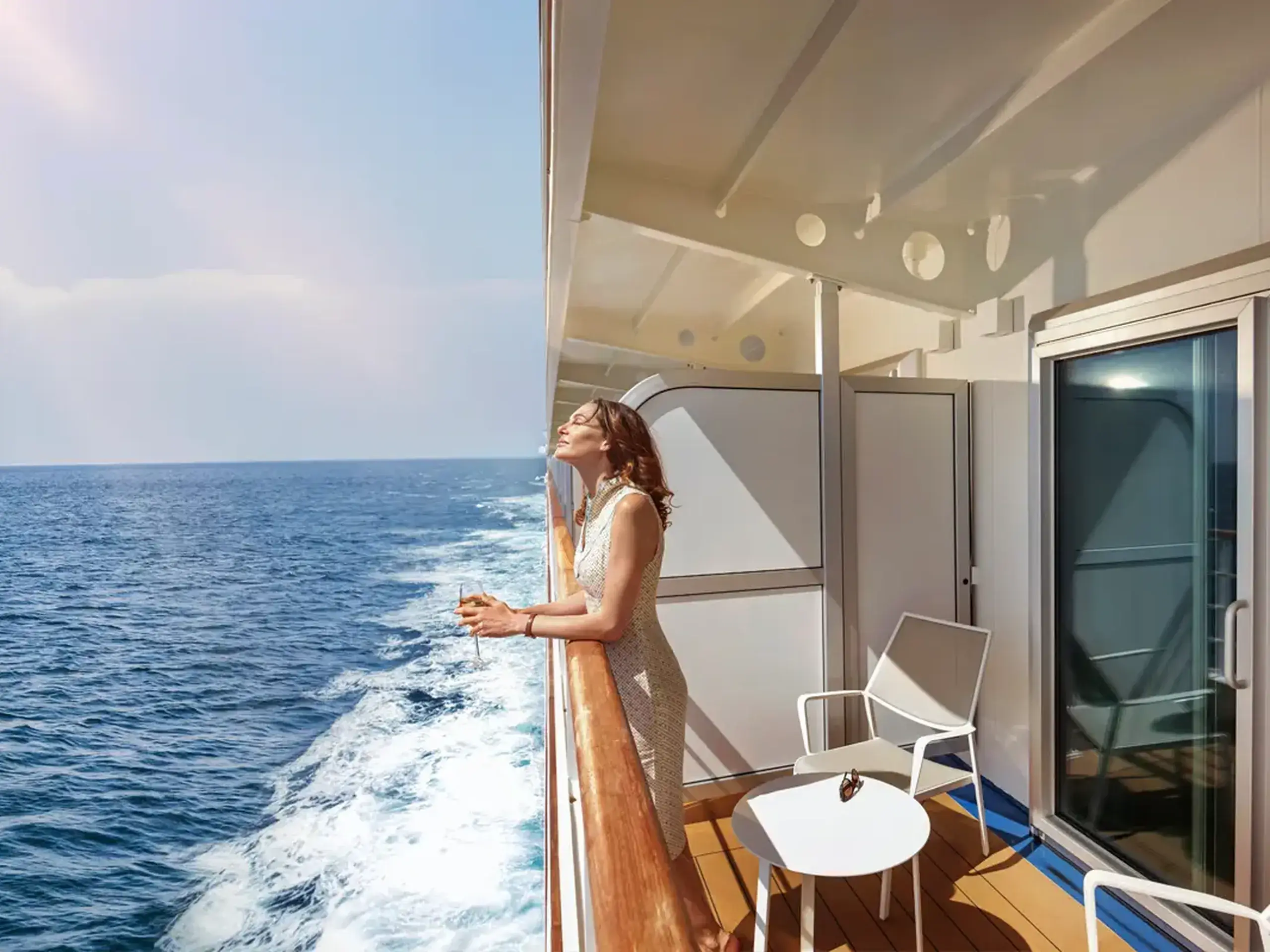
- Balcony cabins provide a private outdoor space, perfect for enjoying a morning coffee or watching the sunset. This option is popular for scenic itineraries, such as the Norwegian fjords or Alaska.
- Suites are the most luxurious and spacious accommodations, often including separate living areas, larger balconies, and premium perks like butler service or priority access to dining and entertainment.
Consider the itinerary and personal preferences when selecting a cabin. For a port-intensive cruise in the Mediterranean, where most days are spent ashore, an inside cabin might be perfectly adequate. For a relaxing transatlantic crossing or a scenic journey through the Caribbean, a balcony could significantly enhance the experience.
Understanding what is included
One of the great attractions of a cruise holiday is its value for money, but it is important to understand what the cruise fare covers. Typically, the price includes accommodation, meals in main dining rooms and buffet restaurants, and a wide range of onboard entertainment and activities.
However, several things usually cost extra. These often include:
- Drinks: While basic beverages like water, tea, and coffee are usually available, soft drinks, alcoholic beverages, and speciality coffees typically incur an additional charge. Most cruise lines offer drinks packages, which can be a cost-effective choice for those who enjoy a few drinks each day.
- Speciality dining: Many ships feature alternative restaurants offering gourmet cuisine, from steakhouses to sushi bars. Venues like The Glass House on P&O Cruises or Wonderland on Royal Caribbean provide unique dining experiences for a supplementary fee.
- Shore excursions: Organised tours in port are almost always an additional expense. It is possible to book these through the cruise line for convenience or arrange them independently, which can sometimes be cheaper.
- Gratuities: Also known as tips, these are charged daily to a guest’s onboard account to reward the crew for their service. Some cruise lines include gratuities in the fare, while others add them automatically.
- Wi-Fi: Internet access at sea is notoriously expensive and often slower than on land. Packages are available for purchase but can add a significant amount to the final bill.
Before booking, carefully review what is included and budget for any extras to avoid surprises.

Planning your itinerary
The itinerary is at the heart of any cruise. From the sun-drenched beaches of the Caribbean to the historic cities of the Baltic, the possibilities are endless. When choosing an itinerary, consider the time of year, the desired climate, and the balance between sea days and port days.
Cruises departing from the UK, particularly from Southampton, offer the convenience of no-fly travel to destinations across Europe and beyond. Popular no-fly itineraries include trips to the Canary Islands, the Norwegian fjords, and the Mediterranean. These are excellent choices for first-time cruisers who want a hassle-free start to their holiday.
For those willing to fly, the options expand globally. A flight to Barcelona or Rome can open up different Mediterranean routes, while a flight to Florida is the gateway to the Caribbean.
Pay attention to the amount of time spent in each port. Some itineraries feature longer stays or even overnight calls, allowing more time for in-depth exploration. Sea days, where the ship travels between ports, provide an opportunity to relax and enjoy the onboard facilities. Finding the right mix is key to a satisfying holiday.

Final thoughts before you sail
A cruise holiday offers a unique way to see the world, combining travel and relaxation in a single, seamless package. By understanding the differences between cruise lines, selecting the right cabin, and planning for onboard expenses, first-time cruisers can ensure their holiday is everything they hoped for. With the right preparation, that first step onto the gangway will be the start of an unforgettable adventure.
Top tips
- Research cruise lines to find one that matches your personality.
- Choose a ship size that suits your preference for amenities versus intimacy.
- Select a cabin based on your budget and how much time you will spend in it.
- Clarify what is included in the cruise fare and budget for extras.
- Consider a no-fly cruise from the UK for a hassle-free start.
- Look at the balance of port days and sea days in an itinerary.
- Investigate drinks packages to see if they offer good value.
- Pre-book speciality dining and popular shore excursions to avoid disappointment.
Share this article