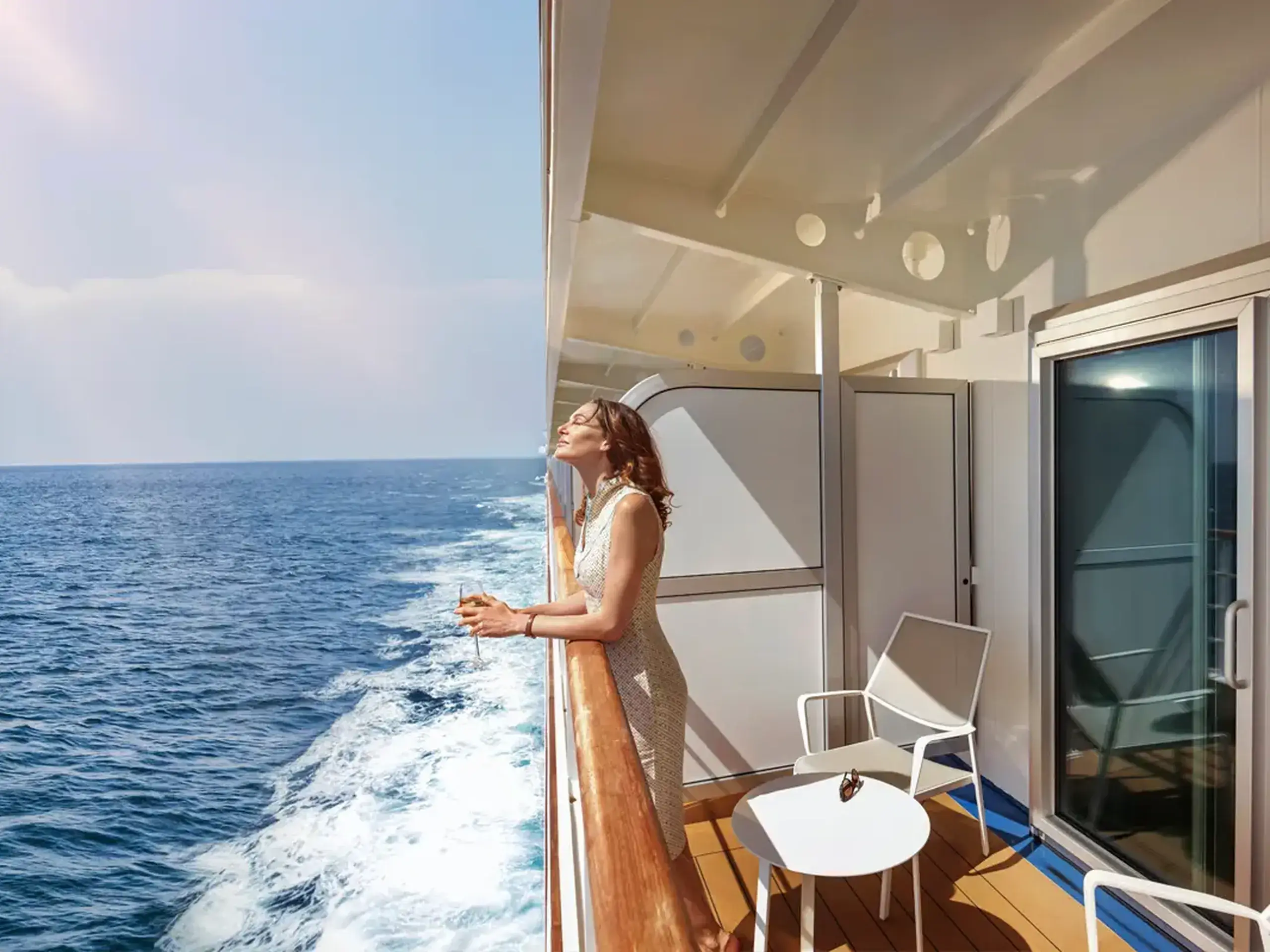
How to avoid hidden costs on a cruise

Cruise holidays promise the ultimate all-inclusive getaway, yet many passengers find their final bill considerably higher than expected. Understanding where these unexpected expenses lurk and how to navigate them can transform a potentially stressful experience into the seamless vacation originally envisioned.
The allure of cruise travel lies partly in its apparent simplicity—one price covers accommodation, meals, and entertainment. However, cruise lines have evolved sophisticated revenue strategies that extend well beyond the initial booking fee. From specialty dining and premium beverages to shore excursions and internet packages, these additional costs can quickly accumulate.
Recognising these potential expenses before embarking allows travellers to budget accordingly and make informed decisions about which extras truly enhance their holiday experience. With proper planning and awareness, passengers can enjoy their cruise whilst maintaining control over their spending.
Understanding your cruise fare
The advertised cruise price typically covers basic accommodation, main dining room meals, selected entertainment, and access to standard ship facilities. This foundation provides genuine value, yet cruise lines generate significant revenue through optional extras that many passengers assume are included.
P&O Cruises, Royal Caribbean, and Celebrity Cruises each structure their pricing differently, with some offering more inclusive packages whilst others maintain lower base fares supplemented by additional charges. Understanding these models helps passengers select the cruise line and package that best matches their preferences and budget.
Interior and oceanview cabins generally include the same amenities, whilst suites often provide additional perks like priority dining reservations, complimentary room service, and sometimes beverage packages. Examining these inclusions carefully reveals whether upgrading provides genuine value for individual travel styles.
Dining and beverage expenses
Cruise ships offer remarkable dining variety, yet speciality restaurants typically charge cover fees ranging from £15 to £60 per person. These venues often provide exceptional cuisine and intimate atmospheres, though the main dining rooms serve high-quality meals without additional cost.
Beverage packages present another significant expense category. Norwegian Cruise Line and Royal Caribbean offer packages starting around £35 to £50 per person per day, covering alcoholic drinks, specialty coffees, and premium soft drinks. Passengers who enjoy several drinks daily often find these packages worthwhile, whilst light drinkers may prefer purchasing beverages individually.
Room service frequently carries charges for items beyond continental breakfast, with fees typically ranging from £3 to £8 per delivery. Many cruise lines now charge for late-night room service, even for items available complimentary in dining venues during regular hours.

Shore excursions and activities
Ship-organised shore excursions offer convenience and peace of mind, yet often cost significantly more than independent exploration. A typical MSC Cruises excursion in Barcelona might cost £60 to £90 per person for a city tour that independent travellers could experience for £15 to £25 using public transport and walking.
Researching ports beforehand reveals opportunities for independent exploration. Popular destinations like Dubrovnik, Rome, and Copenhagen offer excellent public transport systems and clearly marked tourist routes that provide authentic experiences at fraction of organised tour costs.
Some activities require advance booking through the cruise line, particularly popular excursions and speciality experiences like helicopter tours or exclusive beach clubs. These typically sell out quickly and rarely offer refunds, making careful selection essential.
Onboard entertainment and services
Spa treatments, fitness classes, and casino gaming represent major onboard spending categories. Cunard and Celebrity Cruises spas often charge £80 to £150 for basic massages, whilst speciality fitness classes might cost £15 to £25 per session. Booking these services early sometimes provides discounts, though prices remain substantially higher than land-based equivalents.
Internet packages vary dramatically between cruise lines, with basic plans starting around £10 to £15 per day and premium packages reaching £25 to £35 daily. Virgin Voyages includes WiFi in their fares, whilst traditional lines typically charge separately. Passengers requiring constant connectivity should factor these costs into their overall budget.
Photography services capture memorable moments but often charge premium prices for professional prints and digital packages. Many cruise photographers work on commission, creating pressure for expensive portrait sessions and formal dining photographs.

Shopping and souvenirs
Onboard shopping presents both convenience and expense, with duty-free prices that sometimes exceed high street costs despite tax exemptions. Perfumes, alcohol, and luxury goods sold onboard often carry significant markups, whilst port shopping frequently offers better value and authentic local products.
Regent Seven Seas Cruises and Silversea include more shopping excursions in their premium fares, yet passengers on mainstream lines should research local markets and authentic retailers in each port for genuine bargains and meaningful souvenirs.
Art auctions have become standard cruise entertainment, featuring high-pressure sales tactics and artwork that may not appreciate in value as suggested. These events provide entertainment value but require careful consideration before making substantial purchases.
Communication and connectivity
International roaming charges can devastate budgets for passengers who fail to adjust their mobile phone settings appropriately. Activating airplane mode and using ship’s WiFi prevents unexpected charges whilst maintaining connectivity for essential communications.
Satellite phone calls from cabins typically cost £3 to £8 per minute, making them suitable only for genuine emergencies. Most cruise lines offer internet calling packages that provide more affordable communication options for staying in touch with family and friends.
Communication apps like WhatsApp and Skype function well over ship’s WiFi, though connection quality varies depending on ship location and weather conditions. Downloading offline maps and translation apps before departure reduces reliance on expensive internet packages.
Practical money-saving strategies
Pre-purchasing beverage packages, internet access, and dining packages often provides discounts compared to onboard pricing. However, these packages only offer value when fully utilised, making honest assessment of consumption habits essential before purchasing.
Setting daily spending limits and carrying cash for small purchases helps maintain budget control. Many ships accept contactless payments and room key charging, making overspending surprisingly easy without careful monitoring.
Participating in loyalty programmes provides genuine benefits for frequent cruisers, including priority boarding, complimentary amenities, and sometimes reduced pricing on extras. P&O Cruises’ Peninsular Club and Royal Caribbean’s Crown & Anchor Society offer increasingly valuable perks with continued patronage.
Travel insurance considerations
Comprehensive travel insurance should cover cruise-specific scenarios including missed connections, medical emergencies at sea, and evacuation expenses. Standard travel policies often exclude certain maritime situations, making specialised cruise insurance worth considering.
Trip interruption coverage becomes particularly valuable for cruise holidays, as missing embarkation typically means losing the entire vacation without compensation. Some cruise lines offer their own insurance products, though independent policies often provide broader coverage at competitive prices.
Medical facilities onboard charge for all treatments, including basic consultations that might cost £50 to £100 before any actual treatment begins. Travel insurance with good medical coverage prevents these expenses from creating financial hardship during emergencies.
Booking timing and upgrades
Booking shore excursions, specialty dining, and spa treatments immediately upon boarding often provides the widest selection but rarely the best prices. Waiting until day two or three sometimes reveals last-minute promotions, though popular options may sell out.
Cabin upgrades occasionally become available at check-in for substantially less than pre-cruise pricing, particularly when higher categories remain unsold. Politely inquiring about upgrade availability sometimes yields pleasant surprises without pressure.
Loyalty programme members often receive upgrade offers and exclusive promotions that provide genuine value. These programmes typically require no fee to join and immediately begin providing benefits for future bookings.
Top tips
- Research beverage package value based on personal consumption habits before purchasing
- Book specialty dining reservations early but compare prices with complimentary options first
- Investigate independent shore excursion options versus organised tours for significant savings
- Adjust mobile phone settings to airplane mode to prevent unexpected roaming charges
- Set daily spending limits and monitor expenses regularly using room account statements
- Pre-purchase internet packages if connectivity is essential, but consider digital detox alternatives
- Bring reusable water bottles to avoid purchasing expensive bottled water onboard
- Research port destinations beforehand to identify free activities and authentic local experiences
- Join cruise line loyalty programmes for immediate benefits and future sailing perks
- Pack essential medications and toiletries to avoid premium onboard pharmacy pricing
Share this article