

Your guide to dining and bars on Costa Cruises
Photos courtesy of Costa Cruises
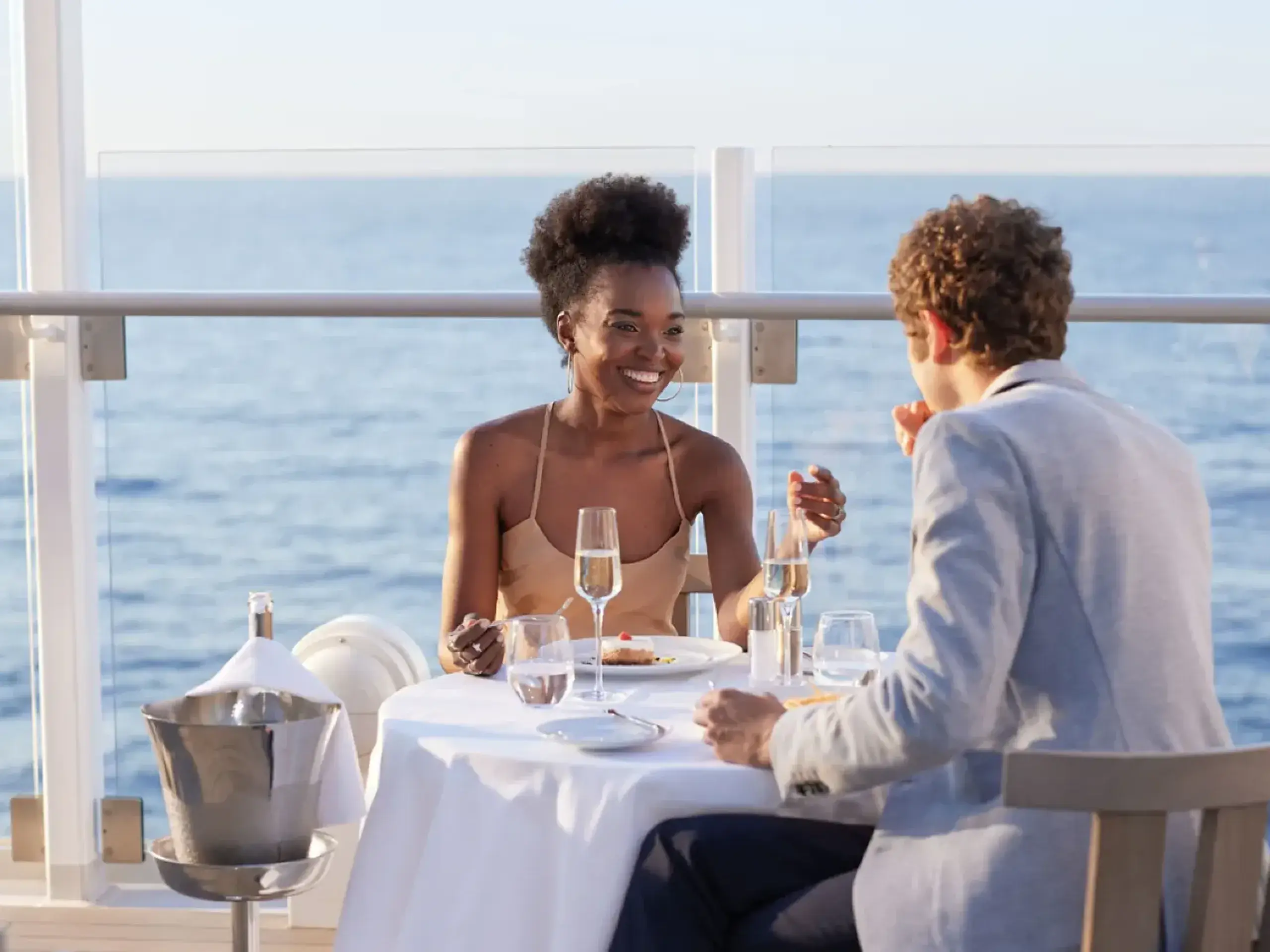
Costa Cruises – Italian flavours and family dining
Fairly Good

Included Dining
Specialty Restaurants

Bars & Lounges
Coffee & Desserts
Beverage Packages
Allergy & Diet Options
Costa’s dining embodies the warmth of Italian hospitality, where meals unfold as social celebrations rather than formal affairs. The cruise line’s approach to food centres on generous portions, bold Mediterranean flavours, and regional specialities that reflect Italy’s diverse culinary landscape.
Service moves at an Italian pace, which may feel more brisk than the leisurely style British travellers might expect, yet the food itself delivers authentic warmth and often impressive quality.
The dining experience aboard Costa ships captures the essence of Italy’s convivial food culture. Passengers discover a world where conversation flows as freely as the wine, where children are welcomed at every table, and where the ritual of sharing a meal becomes central to the cruise experience.
Main restaurant dining
Costa’s primary dining venues, such as Ristorante Arlecchino or Centrale, transform each evening into a Mediterranean feast. These spacious restaurants serve multi-course dinners that showcase Italy’s regional cooking traditions, from creamy risottos inspired by northern Italy to fresh seafood preparations that echo the coastal regions.
The menu rotates through Italian classics with impressive consistency. Passengers can expect handmade pasta dishes, perfectly grilled meats, and an array of desserts that would make any Italian nonna proud. The wine selection favours Italian varietals, offering good value bottles that complement the cuisine beautifully.
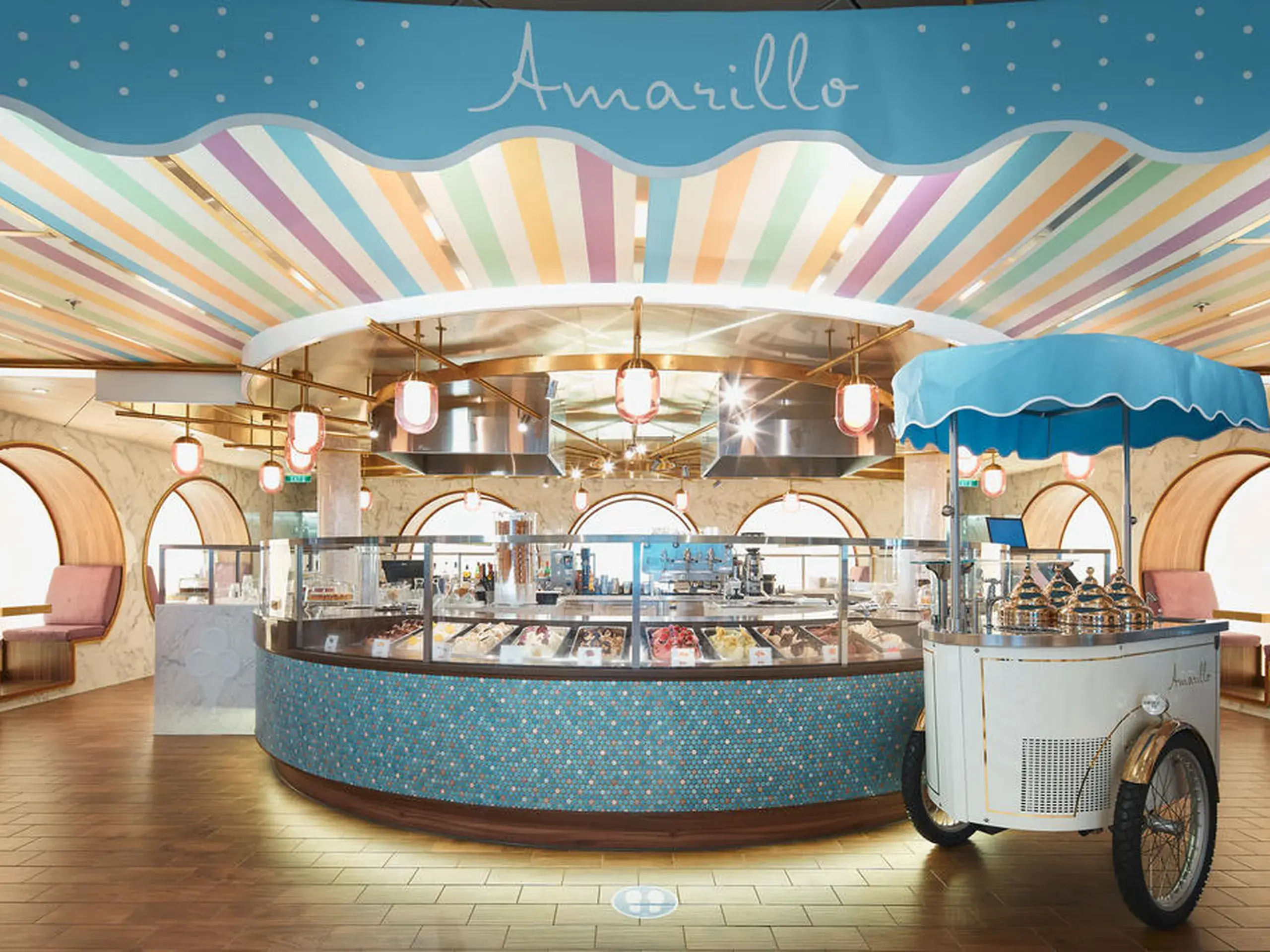
Lunch service shifts to the buffet venue, typically called La Sagra dei Sapori, where the atmosphere becomes delightfully informal. The spread includes authentic pizza stations, abundant salad bars, and daily regional specials that might feature anything from Sicilian arancini to Venetian seafood risotto. The environment buzzes with energy, families gather around large tables, and the pace feels refreshingly unhurried despite the crowds.
Speciality dining experiences
Costa’s premium dining venues represent some of the finest culinary experiences available at sea. Archipelago stands as the crown jewel, featuring innovative tasting menus crafted by Michelin-starred chefs Bruno Barbieri, Hélène Darroze, and Ángel León. These restaurants transform local ingredients from Mediterranean ports into sophisticated dishes that rival shore-based fine dining establishments.
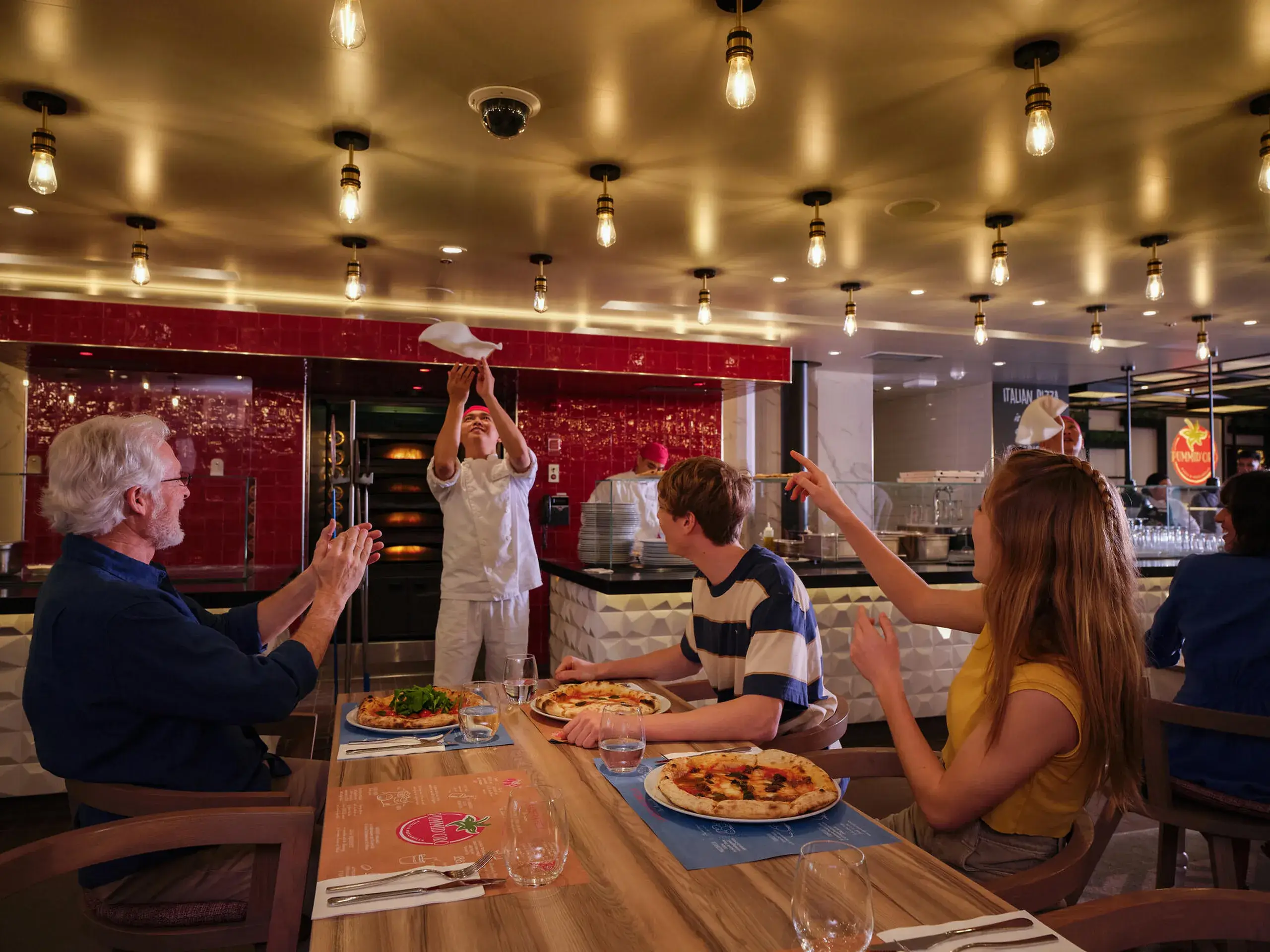
Pizzeria Pummid’Oro deserves particular recognition for its commitment to authenticity. The restaurant uses exclusively Italian ingredients, from San Marzano tomatoes to buffalo mozzarella, creating Neapolitan pizzas that transport diners straight to Naples. The modest supplement makes this experience exceptional value compared to similar offerings on other cruise lines.
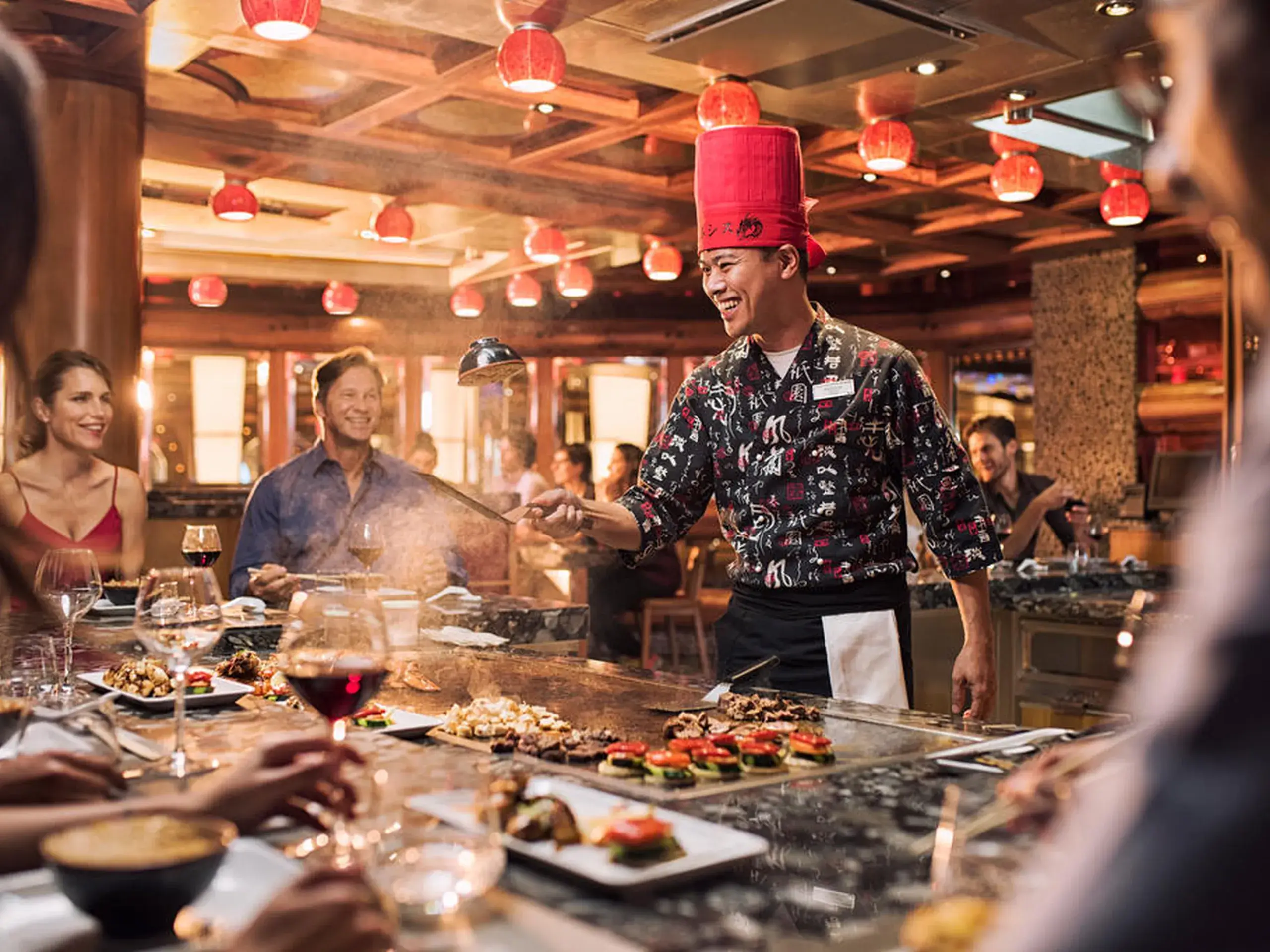
Additional speciality venues expand the culinary horizons beyond Italy. Teppanyaki restaurants provide theatrical dining entertainment, while La Fiorentina Steak House focuses on premium cuts prepared with Italian flair. The pricing remains refreshingly reasonable, allowing passengers to explore multiple venues without straining their budget.
Bar culture and lounges
Costa’s bar programme reflects Italy’s distinctive drinking culture, where coffee reigns supreme during daylight hours and aperitivos signal the transition to evening. The onboard bars capture this rhythm perfectly, serving proper espresso throughout the day before transforming into lively social hubs after sunset.
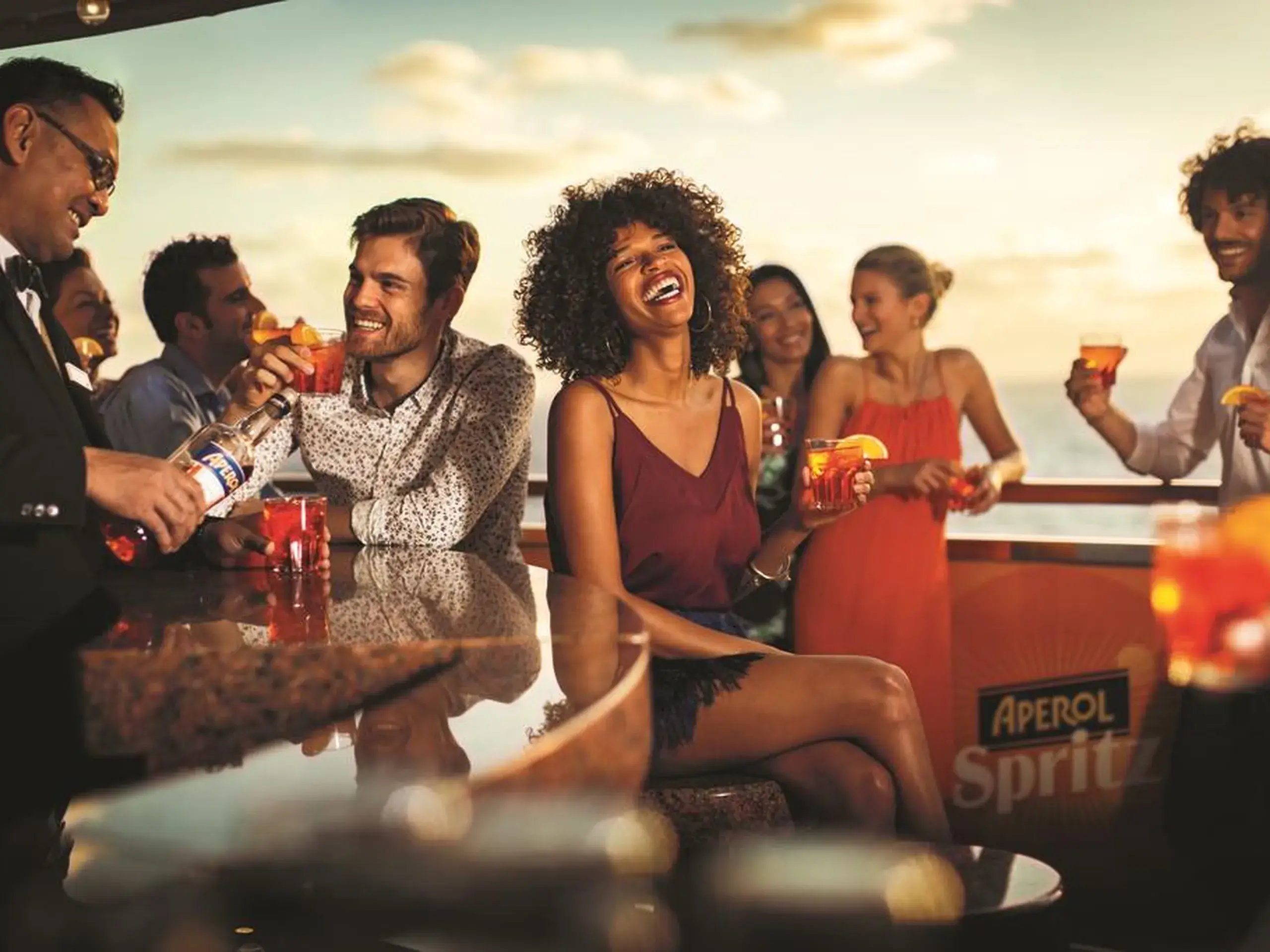
The Aperol Spritz Bar and Campari Lounge on newer ships become magnets for passengers seeking that quintessentially Italian pre-dinner drink. These venues nail the atmosphere, with bartenders who understand the importance of the perfect spritz ratio and the theatre of the orange slice garnish.
Spazio Bollicine offers Prosecco tastings that educate palates while celebrating Italy’s finest sparkling wines. The Grand Bar Orlov typically serves as the ship’s social epicentre, where live music creates the soundtrack for animated conversations that stretch well into the evening. Piazza Trastevere, designed to evoke a Roman square, becomes particularly magical after dark when the combination of cocktails, music, and Italian hospitality creates an infectious energy.
The bar culture prioritises sociability over sophistication. Passengers seeking quiet contemplation might feel overwhelmed by the animated conversations and spirited atmosphere that characterises Italian drinking establishments.
Beverage packages and value
Costa’s beverage packages offer reasonable value for passengers who enjoy exploring Italian wines and cocktails. The packages typically include a selection of wines by the glass, cocktails, and premium spirits, though the specific brands may differ from British preferences.
Coffee lovers will appreciate that espresso at the bars consistently delivers superior quality and value compared to buffet offerings. The Italian coffee culture extends throughout the ship, with proper espresso machines and skilled baristas ensuring that each cup meets authentic standards.
Water packages become essential for British passengers accustomed to complimentary tap water. The Mediterranean climate and salty sea air increase hydration needs, making the beverage packages practical investments rather than luxury additions.
Dietary requirements and allergies
Costa demonstrates genuine effort in accommodating various dietary needs, though the execution can feel inconsistent compared to British cruise lines. Vegetarian options appear regularly throughout the menus, often showcasing Italy’s excellent tradition of meat-free cooking.
Passengers requiring gluten-free or lactose-free meals can arrange suitable options by contacting the cruise line in advance. The kitchen staff show willingness to adapt dishes, particularly in the main restaurants where chefs can modify preparations to meet specific requirements.
Vegan and kosher options have improved significantly in recent years, though the variety and creativity still lag behind lines that cater specifically to British tastes. The language barrier occasionally complicates communication about dietary restrictions, though patience and clear written instructions typically resolve most situations.
The Italian approach to food allergies tends to be more casual than the systematic protocols British passengers might expect. Travellers with severe allergies should prepare for more hands-on communication with dining staff and consider bringing translated cards explaining their requirements.
Top tips
- Try Archipelago at least once during longer cruises. The Michelin-starred chef collaborations create memorable experiences that justify the supplement through innovative cuisine and impeccable presentation.
- Book Pizzeria Pummid’Oro early in the cruise and arrive promptly for the freshest pizzas. The authentic Neapolitan style creates some of the finest pizza available at sea.
- Order espresso at the bars rather than the buffet stations. The quality difference is remarkable, and the value proves excellent compared to shore-side coffee shops.
- Embrace the aperitivo tradition with a sunset Aperol Spritz on deck. This ritual captures the essence of Italian leisure and creates perfect photo opportunities against Mediterranean backdrops.
- Prepare for animated dining environments where conversation and laughter create constant background noise. Italian dining culture celebrates sociability, making quiet romantic dinners challenging to find during peak hours.
- Remember that dinner service follows Continental timing, with the main seating typically beginning at 7:30 PM or later. Early diners should consider speciality restaurants or buffet options for more flexible scheduling.