
Cruising from the UK: best no-fly itineraries
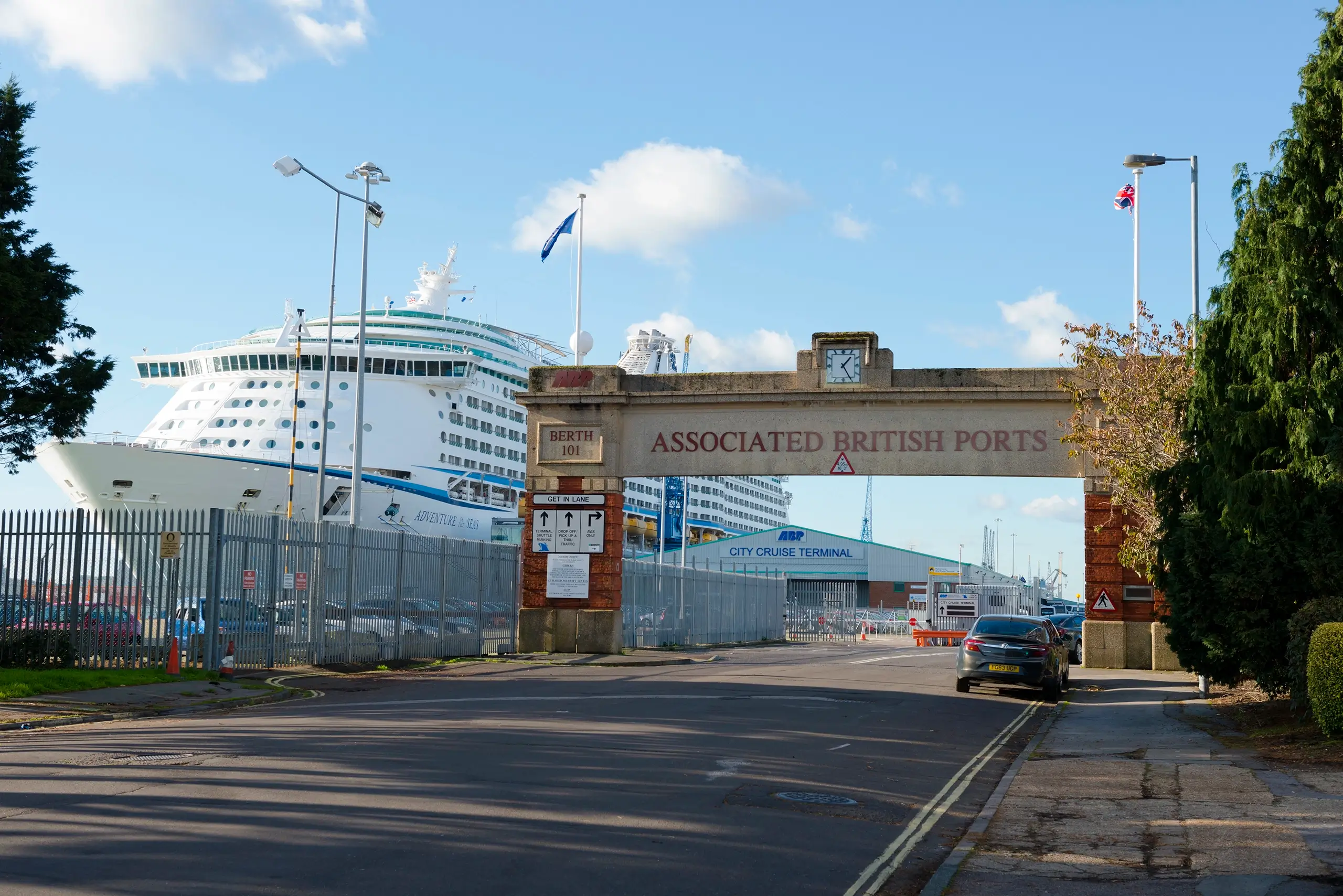
The appeal of a cruise holiday that begins right from British shores continues to grow stronger each year. For travellers seeking to avoid airport queues, flight delays, and the environmental impact of air travel, no-fly cruise itineraries offer an elegant solution.
These voyages provide the luxury of stepping aboard a floating resort without leaving the UK, transforming the journey itself into part of the holiday experience.
British cruise ports have evolved into sophisticated departure points, with Southampton, Portsmouth, and Dover leading the way as gateways to remarkable adventures. The convenience factor cannot be overstated: passengers can drive to the port, park their car for the duration of the cruise, and return to familiar ground without the stress of international air travel.
No-fly cruising also offers unique advantages for families and first-time cruisers. There are no luggage restrictions, no concerns about flight cancellations affecting cruise connections, and the gradual transition from home to holiday creates a more relaxed start to the vacation. The variety of itineraries available from UK ports rivals those found anywhere in the world, spanning from quick weekend breaks to grand voyages across multiple continents.
Popular UK departure ports and their advantages
Southampton stands as the undisputed crown jewel of British cruise ports. This historic maritime city welcomes vessels from virtually every major cruise line, including P&O Cruises, Cunard, Royal Caribbean, and Celebrity Cruises. The port’s modern facilities handle everything from intimate river cruise vessels to massive floating cities carrying thousands of passengers.
The Mayflower Terminal and City Terminal offer excellent amenities, including comfortable waiting areas, dining options, and efficient check-in procedures. Southampton’s location on England’s south coast provides ideal access to both Atlantic and Mediterranean itineraries, whilst the city itself offers pre-cruise attractions such as the SeaCity Museum and Titanic Story.
Dover, with its iconic white cliffs serving as a dramatic backdrop, specialises in shorter European itineraries. The port’s compact size creates an intimate departure experience, and its proximity to London makes it particularly convenient for international visitors. P&O Cruises and Saga Cruises frequently use Dover as their home port for voyages to Norway, the Baltic, and Northern France.
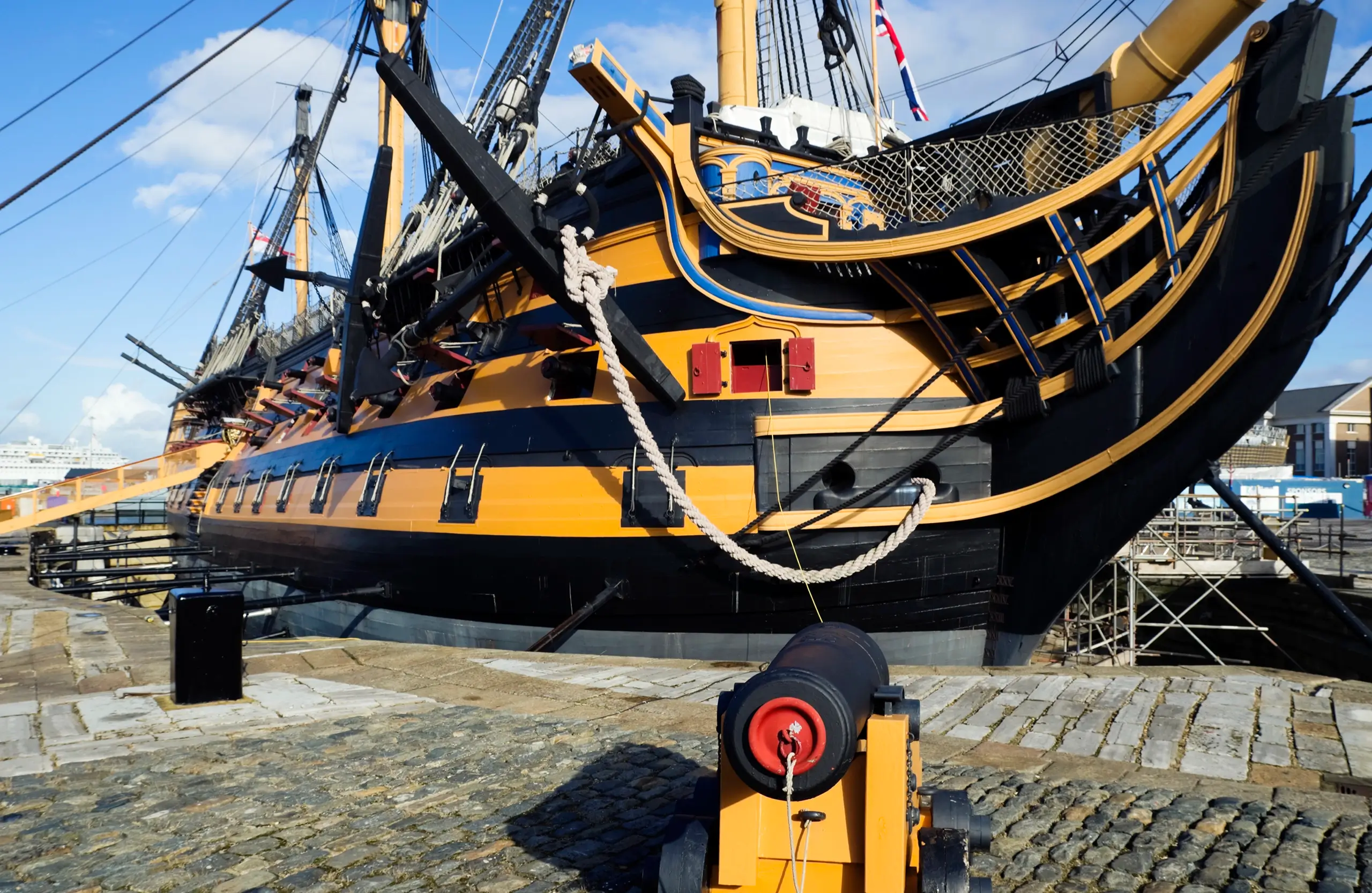
Portsmouth brings naval heritage to the cruise experience. The historic dockyard, home to HMS Victory and the Mary Rose Museum, provides fascinating pre-cruise exploration opportunities. Smaller cruise lines often favour Portsmouth for its authentic maritime atmosphere and excellent transport links.
Best Mediterranean itineraries from the UK
Mediterranean cruises from British ports typically follow two main routing patterns: the classic Spain and France circuit or the extended Italy and Greek Isles adventure. The Spain and France itinerary often includes stops in Barcelona, Palma de Mallorca, Cannes, and Gibraltar, providing a perfect introduction to Mediterranean culture without requiring flights.
Barcelona consistently ranks as a highlight port, offering everything from Gaudí’s architectural masterpieces to vibrant Las Ramblas. The city’s cruise terminal sits conveniently close to the historic Gothic Quarter, allowing passengers to explore on foot. Palma de Mallorca provides a different flavour of Spanish culture, with its stunning cathedral and charming old town creating lasting memories.
French Riviera ports like Cannes and Monaco offer glamour and sophistication. Cannes provides access to the film festival city’s elegant beaches and designer boutiques, whilst Monaco delivers the excitement of Monte Carlo Casino and the Prince’s Palace. These ports often feature as highlights on luxury cruise lines such as Cunard and Celebrity Cruises.
Extended Mediterranean itineraries venture further east to include Rome (Civitavecchia), Florence (Livorno), Naples, and various Greek islands. These longer voyages, typically lasting 12-14 nights, provide sufficient time to explore major cultural sites whilst maintaining the relaxed pace that makes cruising so appealing.

Northern European gems: Norway, Baltic, and British Isles
Norwegian fjord cruises represent perhaps the most spectacular no-fly option available from UK ports. These itineraries showcase nature’s grandeur through visits to Geirangerfjord, Nærøyfjord, and Sognefjord. The dramatic waterfalls, towering cliffs, and pristine wilderness create unforgettable experiences that rival any destination worldwide.
Bergen serves as a gateway to fjord exploration, with its colourful Bryggen wharf and surrounding mountains providing both cultural and natural attractions. Geiranger offers the famous Seven Sisters waterfalls, whilst Flam provides access to one of the world’s most scenic railway journeys. Many Norwegian itineraries also include Stavanger, known for its well-preserved wooden buildings and proximity to Preikestolen (Pulpit Rock).
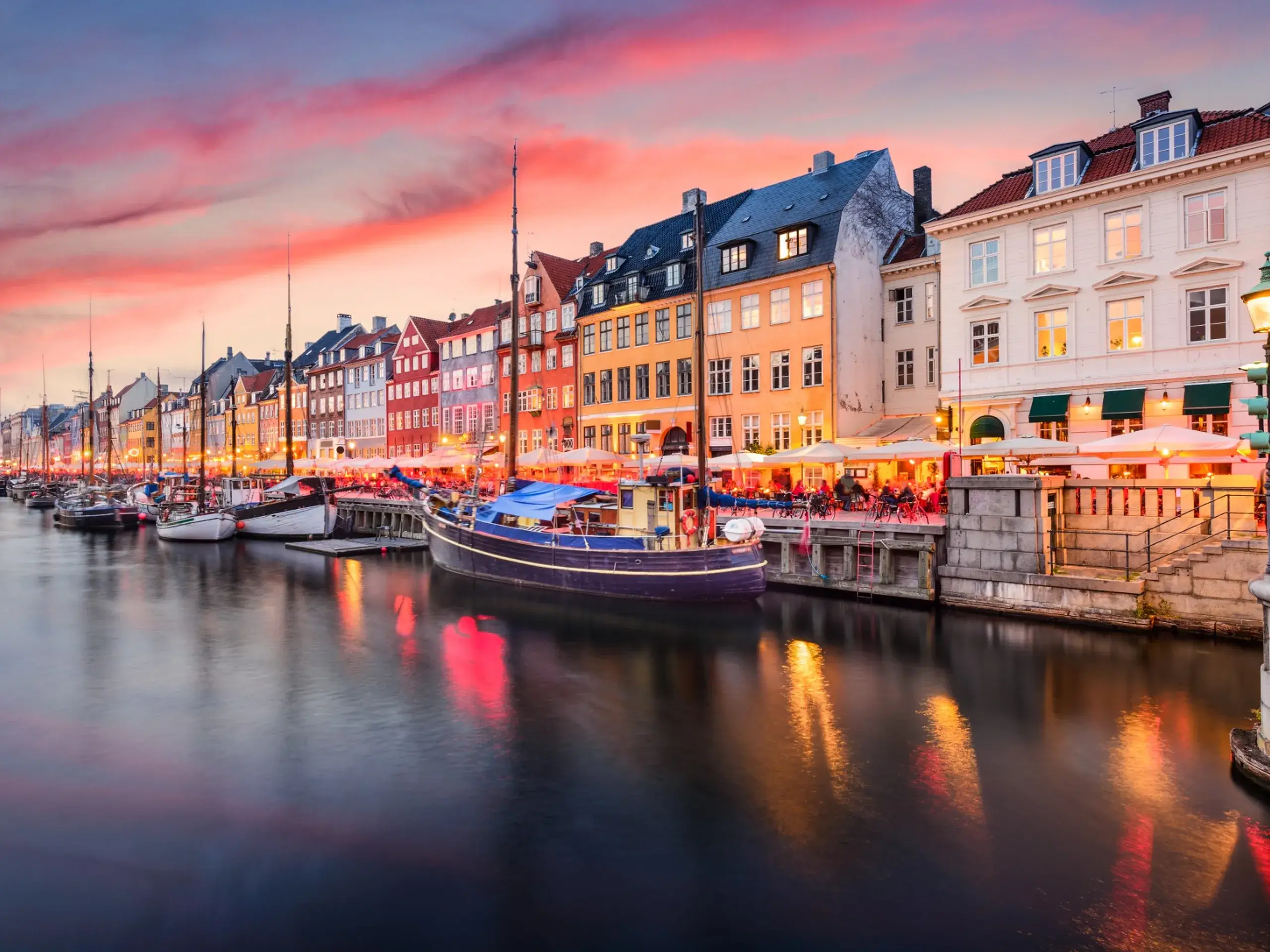
Baltic cruises open doors to Northern European capitals and cultural treasures. Typical itineraries include Stockholm, Copenhagen, Helsinki, and Tallinn. Stockholm’s archipelago setting creates a stunning arrival, with the city’s Gamla Stan (Old Town) offering medieval charm. Copenhagen’s Tivoli Gardens and Little Mermaid statue provide quintessential Danish experiences. Helsinki and Tallinn provide more intimate Baltic experiences, with their compact city centres perfect for walking tours.
British Isles cruises offer an often-overlooked opportunity to explore home waters from a unique perspective. These itineraries might include Edinburgh, Belfast, Dublin, Cork, and various Scottish Highland ports. Invergordon provides access to Loch Ness and the Scottish Highlands, whilst Kirkwall in the Orkney Islands offers ancient historical sites and dramatic landscapes.
Atlantic adventures and transatlantic crossings
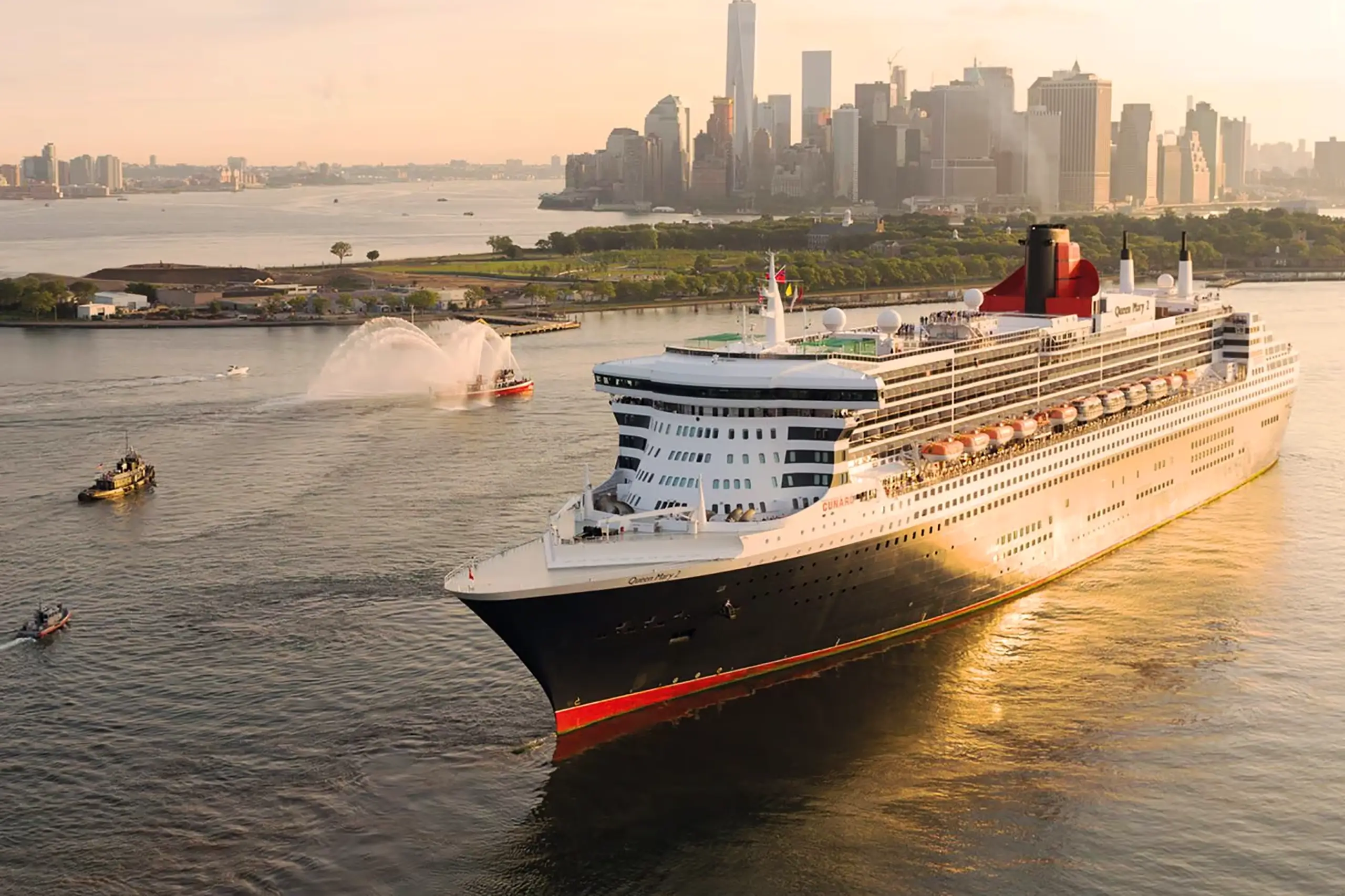
Transatlantic crossings represent the ultimate no-fly cruise experience, particularly aboard Cunard’s legendary Queen Mary 2. These voyages recreate the golden age of ocean travel, with formal nights, afternoon tea, and the romance of crossing the Atlantic by sea. The seven-night eastbound or westbound crossings provide complete disconnection from daily life, with days at sea filled with lectures, entertainment, and relaxation.
Queen Mary 2’s unique features include the only planetarium at sea, extensive library, and multiple restaurants ranging from casual to ultra-formal. The ship’s regular schedule between Southampton and New York makes planning straightforward, with seasonal variations including calls at Halifax or Boston.
Atlantic island itineraries offer exotic destinations without long-haul flights. Madeira, Azores, and Canary Islands cruises typically depart from Southampton or Portsmouth, providing access to volcanic landscapes, unique cultures, and year-round pleasant weather. Funchal in Madeira offers spectacular botanical gardens and mountain railways, whilst the Azores provide dramatic crater lakes and hot springs.
Canary Islands itineraries often combine Spanish mainland ports with island hopping adventures. Tenerife, Gran Canaria, Lanzarote, and La Palma each offer distinct characters, from Mount Teide’s volcanic majesty to Lanzarote’s otherworldly landscapes created by César Manrique.
Choosing the right cruise line and ship
Different cruise lines cater to varying preferences and budgets, making selection crucial for first-time cruisers. P&O Cruises epitomises British cruising, with ships designed specifically for UK passengers. Dining includes traditional British fare alongside international cuisine, entertainment features British comedians and West End-style shows, and the overall atmosphere reflects familiar home comforts.
Cunard offers a more refined experience, harking back to ocean travel’s elegant past. Queen Elizabeth, Queen Victoria, and Queen Mary 2 maintain dress codes, formal dining traditions, and sophisticated entertainment. These ships appeal to passengers seeking timeless luxury and traditional cruise experiences.
Royal Caribbean brings American-style cruising to British departures, featuring innovative ship designs, extensive entertainment options, and casual dining atmospheres. Their larger ships offer amenities like rock climbing walls, surf simulators, and Broadway-style productions, appealing to families and active cruisers.
Celebrity Cruises positions itself in the premium category, combining modern luxury with sophisticated design. Their ships feature innovative restaurants, spa facilities, and contemporary art collections. Celebrity often attracts passengers seeking upscale experiences without ultra-formal requirements.
Princess Cruises occupies the middle ground between traditional and contemporary cruising. Their ships offer refined experiences with modern amenities, appealing to passengers who appreciate sophistication without excessive formality.
Seasonal considerations and best booking times
Mediterranean cruising reaches its peak during summer months, with June through August offering the warmest weather but also the largest crowds and highest prices. May and September provide excellent alternatives, with pleasant temperatures, fewer tourists at ports, and better value pricing. October extends the Mediterranean season with comfortable temperatures but increased chances of occasional rain.
Norwegian fjord cruises operate primarily between May and September, with June through August offering the warmest weather and longest daylight hours. June provides spectacular waterfalls fed by snowmelt, whilst September offers autumn colours and fewer crowds. July brings midnight sun experiences, particularly valuable for northern Norwegian ports.
Baltic cruises concentrate in the brief northern summer, typically May through September. June through August provides the most reliable weather and longest daylight hours, essential for maximising sightseeing opportunities in northern European capitals.
Booking timing significantly affects both price and cabin selection. Wave season, typically January through March, offers the best combination of pricing, promotions, and cabin availability for following year departures. Early booking ensures access to popular itineraries and preferred cabin categories whilst taking advantage of reduced deposits and onboard credit offers.
Top tips
- Book early during wave season (January-March) for best prices and cabin selection
- Consider shoulder seasons (May, September, October) for better weather and fewer crowds
- Pack for variable weather conditions, especially on Northern European itineraries
- Research port parking options and book parking spaces in advance for popular departure times
- Choose cabin categories carefully – interior cabins work well for port-intensive itineraries
- Review dining package options before sailing to secure preferred restaurants and times
- Download cruise line apps for onboard communication, daily schedules, and booking services
- Arrive at departure port the night before to avoid travel delays affecting embarkation
- Research shore excursion alternatives including independent touring and public transport options
- Pack essential medications and travel documents in carry-on luggage for easy access
Your perfect no-fly cruise awaits
No-fly cruising from the UK offers unparalleled convenience combined with world-class destinations and experiences. Whether seeking Mediterranean sunshine, Norwegian fjord majesty, or transatlantic elegance, British departure ports provide access to remarkable adventures without airport hassles.
Share this article





More posts about Cruise Destinations and Ports of Call



How to choose the perfect cruise destination for you
21 minute read Published: June 10th, 2026
Find the cruise destination that truly matches your style and curiosity. With a bit of planning, your next voyage promises discovery, relaxation and endless inspiration.
