The most celebrated cruise destinations often dominate brochures and itineraries. Barcelona, Venice, and Santorini draw millions of visitors each year, their appeal undeniable. Yet some of the most rewarding experiences unfold in quieter harbours, where crowds thin and authenticity shines through.
These hidden gem ports offer travellers something different: a chance to explore at a slower pace, discover local culture without the rush, and return to the ship with stories that feel distinctly personal.
For those new to cruising or considering their next voyage, seeking out lesser-known destinations can transform a holiday. Smaller ports often reveal striking landscapes, charming old towns, and welcoming communities that larger cities sometimes struggle to maintain. The following ports, accessible on various itineraries from UK-based cruise lines, provide memorable alternatives to the usual routes.
Why choose lesser-known ports
Choosing a hidden gem port brings several advantages. Crowds dissipate, allowing travellers to wander cobbled streets without jostling for space or waiting in long queues. Local restaurants and markets cater to residents rather than tour groups, offering authentic flavours and genuine interactions. Shore excursions feel more intimate, often led by guides who know their region intimately and share stories passed down through generations.
Budget-conscious travellers may also find these ports more affordable. Smaller destinations typically charge less for meals, entrance fees, and souvenirs than their famous counterparts. This leaves room in the budget for a leisurely lunch at a family-run taverna or an unplanned afternoon exploring a vineyard.
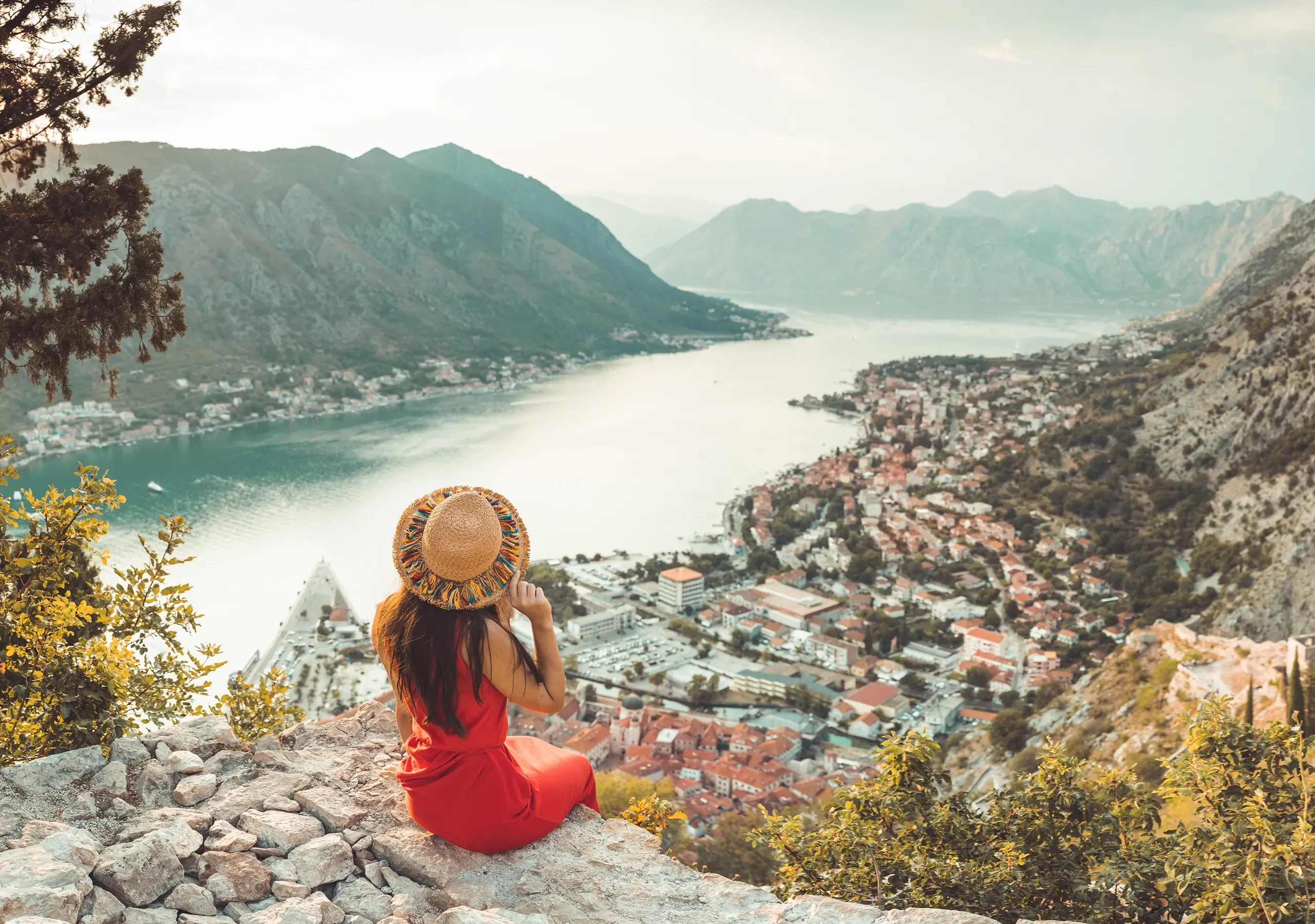
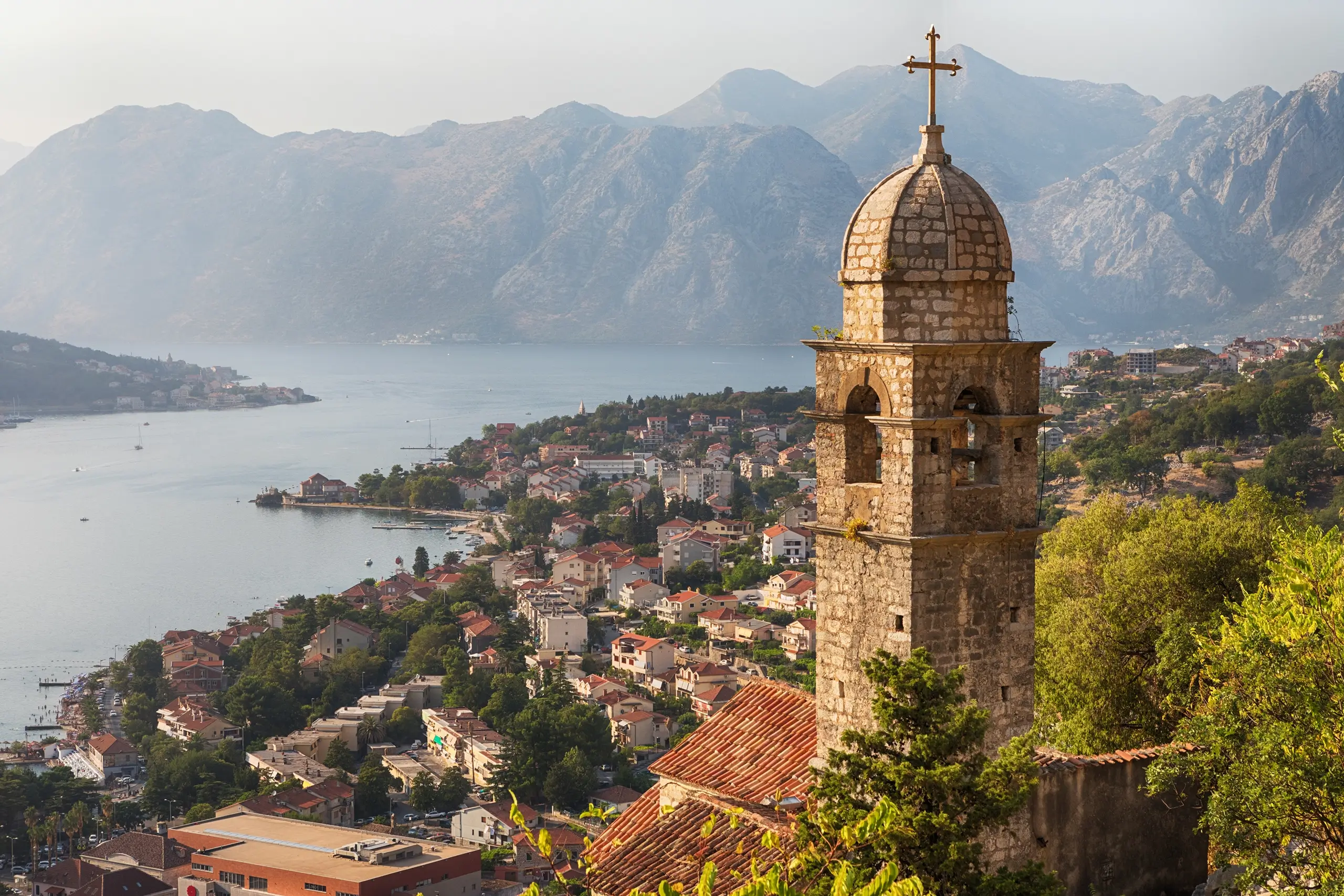
Kotor, Montenegro
Nestled at the head of a dramatic fjord-like bay, Kotor combines natural beauty with centuries of maritime history. The old town, a UNESCO World Heritage site, features narrow alleyways, stone churches, and Venetian-era architecture that feels frozen in time. The city walls snake up the mountainside, offering sweeping views for those willing to tackle the climb.
Shore excursions often include visits to nearby Perast, a sleepy waterfront village with baroque palaces and two tiny islands, one home to a centuries-old church. The relaxed pace suits those who prefer gentle exploration over packed schedules. P&O Cruises and Cunard both feature Kotor on select Mediterranean itineraries, typically during spring and autumn when temperatures remain pleasant.
Kotor, Montenegro
Geiranger, Norway
Geiranger sits at the end of one of Norway’s most spectacular fjords, surrounded by waterfalls, snow-capped peaks, and lush green valleys. The village itself remains small and unhurried, with a handful of shops and cafés serving visitors who arrive by ship. The true draw lies in the landscape, which reveals itself gradually as vessels navigate the narrow waterway.
Popular excursions include drives along the winding mountain roads to viewpoints such as Dalsnibba or hikes through valleys dotted with abandoned farms. For a quieter experience, travellers can explore the village on foot or take a short ferry ride to see the waterfalls up close. Norwegian Cruise Line and Princess Cruises both include Geiranger on their northern European routes, particularly during summer when daylight stretches late into the evening.
Geiranger, Norway
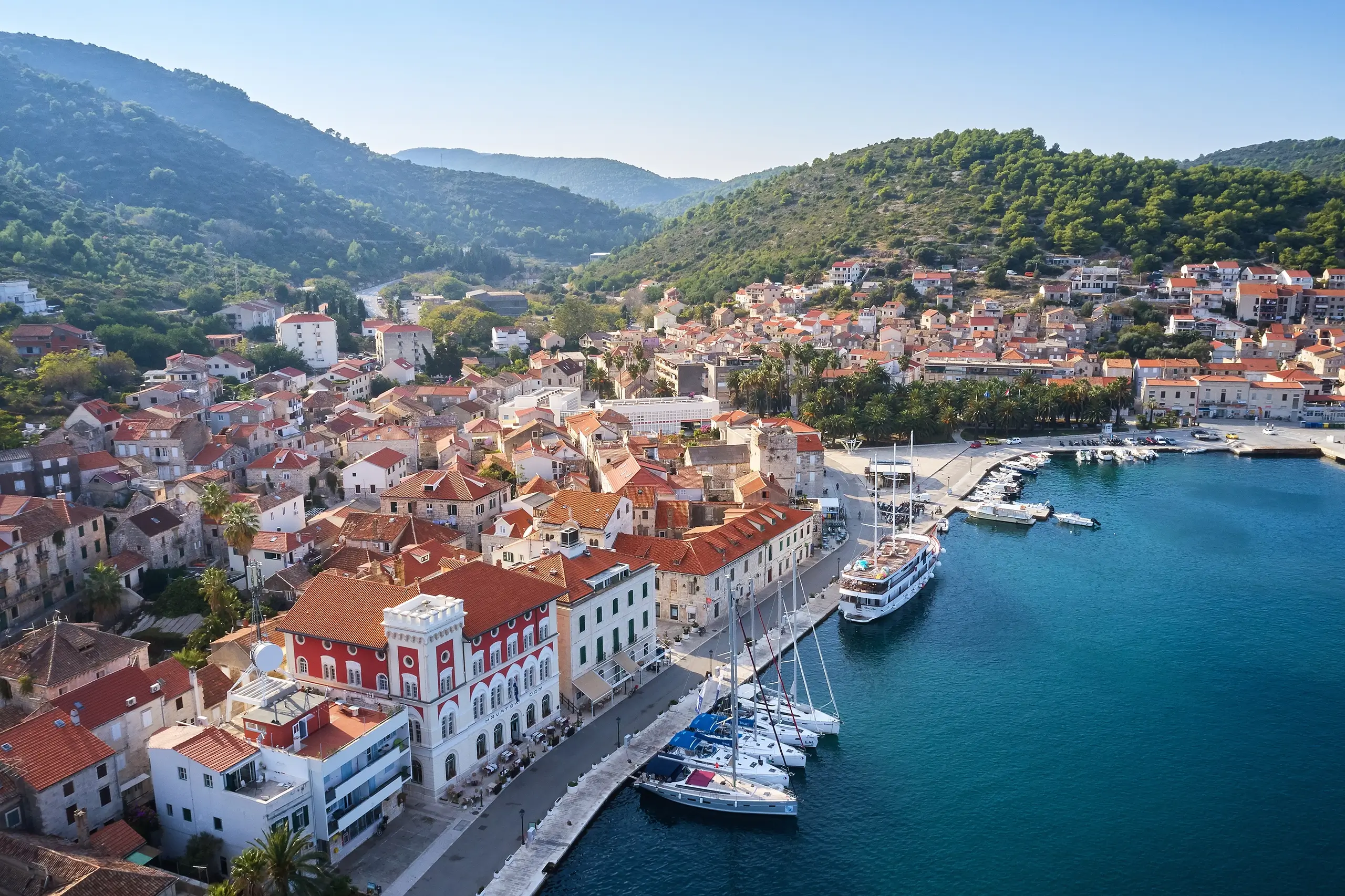
Vis, Croatia
Vis remains one of the Adriatic’s best-kept secrets. Closed to foreign visitors for decades due to its military importance, the island has only recently opened to tourism, preserving much of its unspoiled character. The main town features a crescent-shaped harbour lined with seafood restaurants, while inland villages offer glimpses of traditional Croatian life.
Day trips often include boat excursions to the Blue Cave on nearby Biševo, where sunlight creates an ethereal glow in the water, or visits to ancient Greek ruins and secluded beaches. The island’s wines, particularly the indigenous Vugava and Plavac Mali varieties, pair beautifully with fresh seafood. Azamara and Silversea occasionally include Vis on smaller-ship itineraries, allowing access to ports that larger vessels cannot reach.
Vis, Croatia
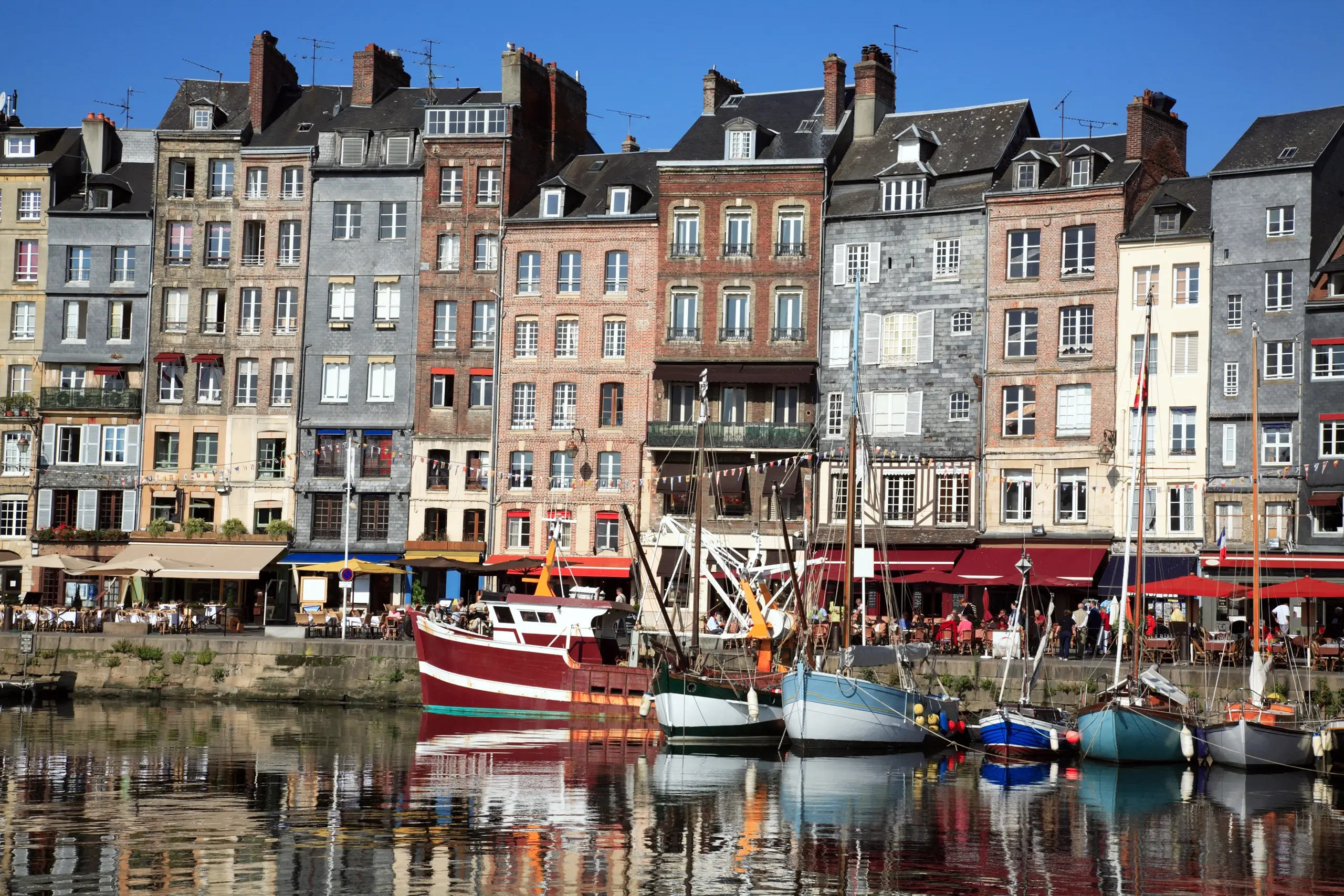
Honfleur, France
While many cruises dock in Le Havre for access to Paris, a smaller number call at Honfleur, a picturesque harbour town on the Normandy coast. Artists such as Monet and Boudin captured the town’s charm on canvas, drawn by its light-filled skies and colourful half-timbered houses that cluster around the old port.
The town rewards slow exploration. Galleries and antique shops line narrow streets, while the weekly market offers local cheeses, ciders, and seafood. A short drive leads to the D-Day beaches or the rolling countryside of the Pays d’Auge, known for its apple orchards and Calvados distilleries. Fred. Olsen Cruise Lines and Saga Cruises both feature Honfleur on select itineraries, appealing to those seeking a gentler pace and closer-to-home departures.
Honfleur, France
Portofino, Italy
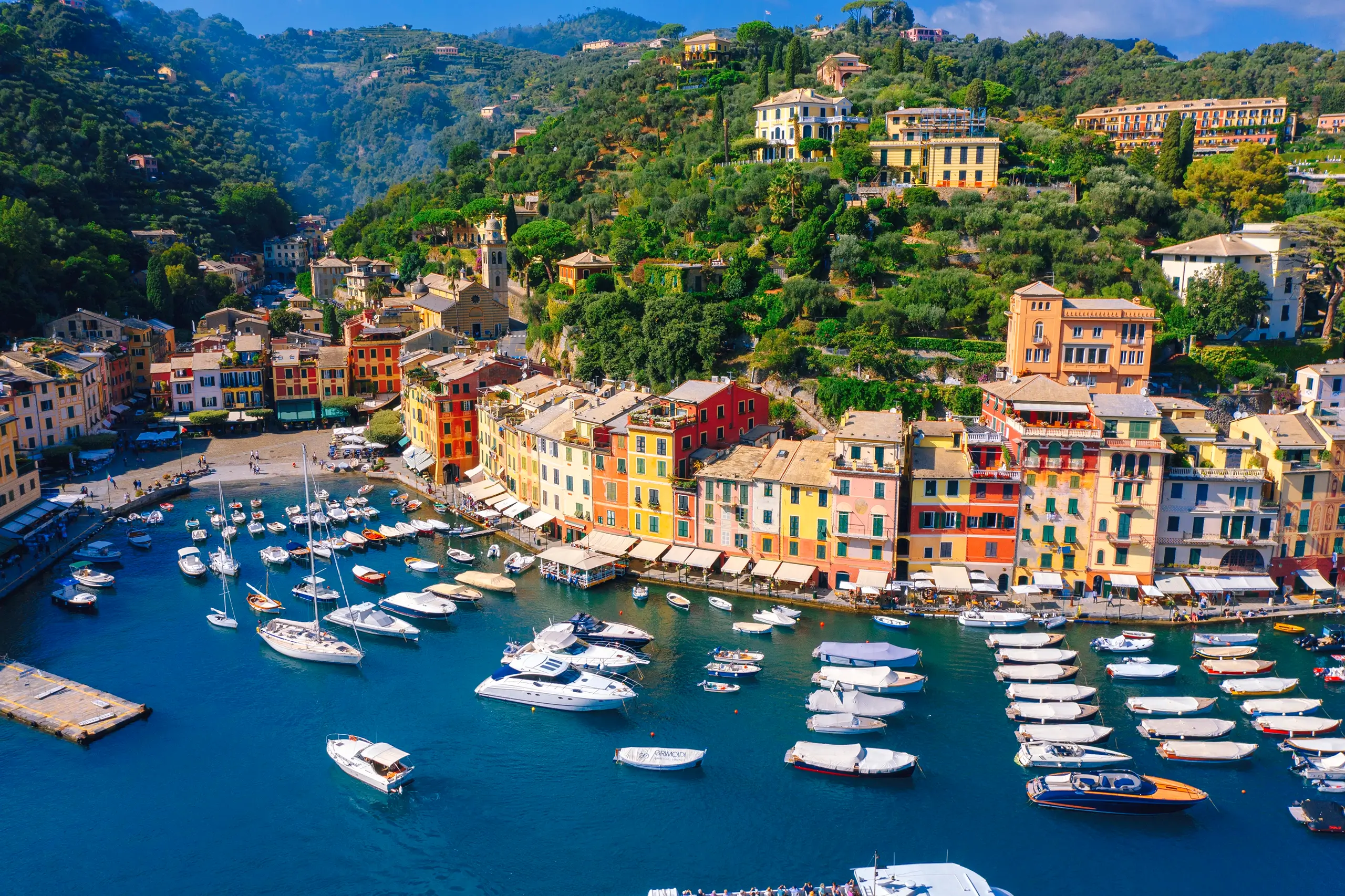
Tucked into a sheltered bay on the Italian Riviera, Portofino exudes understated elegance. Pastel-coloured houses curve around the harbour, where fishing boats bob alongside sleek yachts. The village remains small, with a handful of high-end boutiques and waterfront restaurants, but its beauty lies in simply being there, soaking in the light and the views.
A short hike leads to Castello Brown, a hilltop fortress offering panoramic vistas across the Ligurian Sea. Alternatively, travellers can take a boat to nearby San Fruttuoso, a secluded bay with a medieval abbey and a submerged Christ statue visible through the clear water. Oceania Cruises and Regent Seven Seas often include Portofino on luxury Mediterranean voyages, typically as a tender port due to the harbour’s size.
Portofino, Italy
Lerwick, Shetland Islands
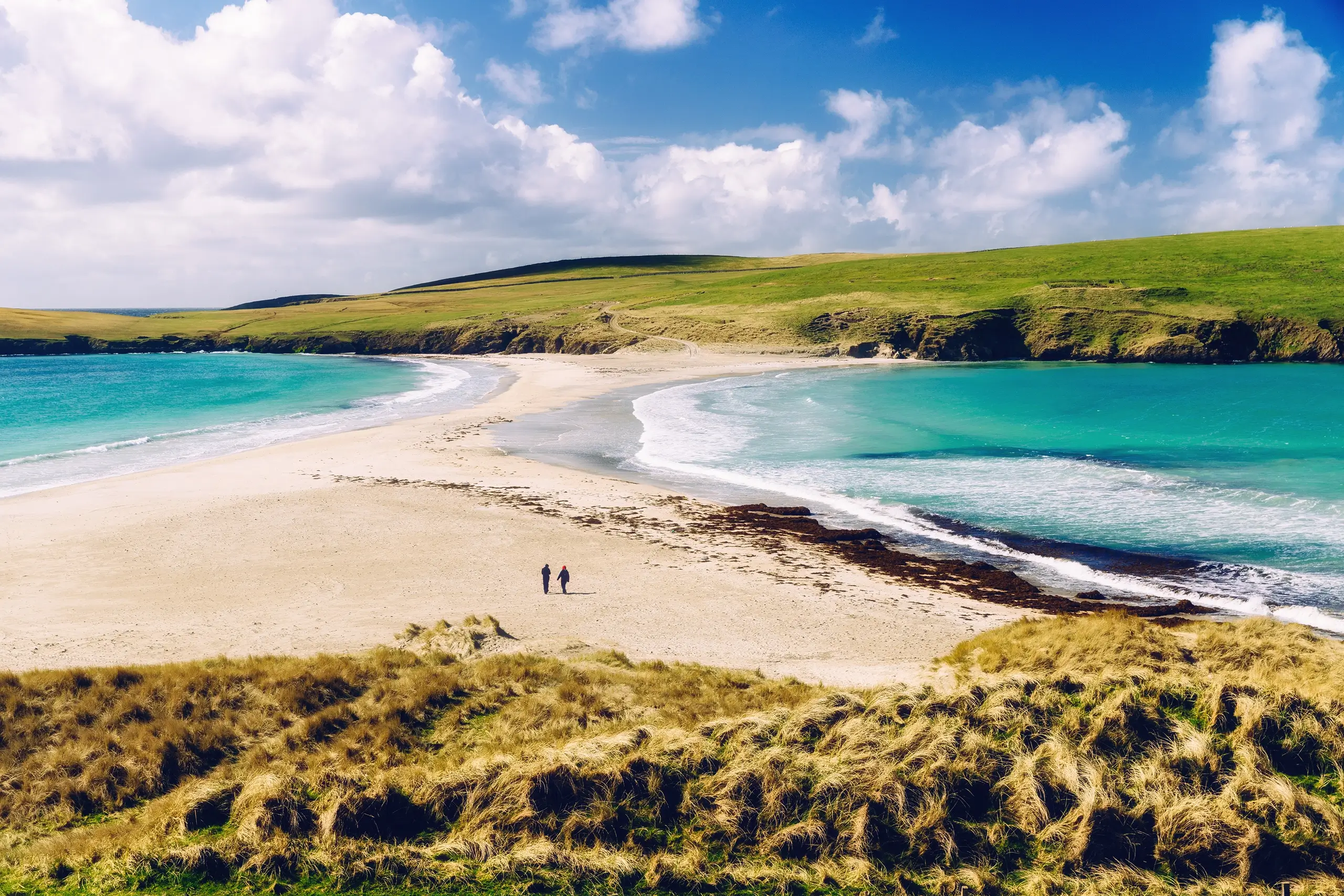
Lerwick, the capital of the Shetland Islands, sits closer to Bergen than to Edinburgh, and its Norse heritage remains evident in place names, festivals, and local traditions. The town offers a gateway to dramatic coastal scenery, ancient archaeological sites, and abundant wildlife, from puffins to seals.
Excursions might include visits to Jarlshof, a layered settlement spanning 4,000 years of history, or the remote island of Mousa, home to the best-preserved Iron Age broth tower in Scotland. The islands’ knitwear, particularly Fair Isle patterns, makes for distinctive souvenirs. Fred. Olsen Cruise Lines and Hurtigruten both feature Lerwick on northern itineraries, often combined with other Scottish and Norwegian ports.
Lerwick, Shetland Islands
How to find hidden gem ports
Cruise lines increasingly recognise the appeal of lesser-known destinations. When browsing itineraries, look for smaller ports, overnight stays, or extended time in port, all of which suggest a focus on immersive experiences rather than simply ticking off famous landmarks. Luxury and expedition lines often prioritise these destinations, though mainstream operators also include them on select voyages.
Reading cruise reviews and travel blogs can reveal which ports exceeded expectations and which felt underwhelming. Fellow travellers often share practical tips, from the best local restaurants to hidden viewpoints worth seeking out. Booking shore excursions independently, rather than through the cruise line, can also lead to more personalised experiences, though this requires careful attention to timing and logistics.
Set Sail with Insider Cruise Tips
Join our free newsletter for expert insights, cruise line comparisons, and travel inspiration; everything you need to plan your next cruise with confidence.
You can unsubscribe at any time using the link in any email. Read our Privacy Policy to learn how we use your information.
Making the most of your visit
Arriving early in a port allows time to explore before the heat of the day or the arrival of other tour groups. Many hidden gem ports remain walkable, with key sights clustered within a short distance of the dock. A simple map and a willingness to wander often yield the most memorable moments.
Engaging with locals, whether through a guided tour or a chance conversation in a café, adds depth to the experience. Many residents in smaller ports take pride in their heritage and enjoy sharing stories with curious visitors. Tasting regional specialities, from Montenegrin seafood to Norwegian cloudberries, connects travellers to the place in ways that photographs alone cannot.
Top tips
Research ports in advance to identify key sights and local customs.
Book independent shore excursions early, particularly in smaller destinations with limited tour operators.
Bring cash in local currency, as smaller ports may have fewer ATMs or card facilities.
Wear comfortable walking shoes, as cobblestones and uneven paths are common in historic towns.
Allow buffer time when returning to the ship, especially if exploring independently.
Pack layers, as weather in coastal and northern ports can change quickly.
Support local businesses by dining at family-run restaurants and shopping at independent boutiques.
Check visa and entry requirements for lesser-known destinations, as they may differ from more popular ports.
I’m Ed Deane, founder of Choose A Cruise. With years of travel industry experience at Ocean Village, Cunard, P&O Cruises, and Thomas Cook, I’m passionate about helping first-time cruisers discover the magic of the seas through expert guidance, making cruising accessible and exciting for all.
More posts about Cruise Destinations and Ports of Call
Cruise Destinations and Ports of Call
How to choose the perfect cruise destination for you
21 minute readPublished: June 10th, 2026
Find the cruise destination that truly matches your style and curiosity. With a bit of planning, your next voyage promises discovery, relaxation and endless inspiration.
Discover the convenience and luxury of no-fly cruising from UK ports, offering direct access to Mediterranean, Norwegian, and Atlantic adventures without airport stress.
Just a heads-up, the site you’re heading to operates independently of us, so their content and policies may differ. Make sure to check their information before proceeding. We are not responsible for any bookings or information obtained beyond this point.
Manage your privacy
To provide the best experiences, we and our partners use technologies like cookies to store and/or access device information. Consenting to these technologies will allow us and our partners to process personal data such as browsing behavior or unique IDs on this site and show (non-) personalized ads. Not consenting or withdrawing consent, may adversely affect certain features and functions.
Click below to consent to the above or make granular choices. Your choices will be applied to this site only. You can change your settings at any time, including withdrawing your consent, by using the toggles on the Cookie Policy, or by clicking on the manage consent button at the bottom of the screen.
Functional
Always active
The technical storage or access is strictly necessary for the legitimate purpose of enabling the use of a specific service explicitly requested by the subscriber or user, or for the sole purpose of carrying out the transmission of a communication over an electronic communications network.
Preferences
The technical storage or access is necessary for the legitimate purpose of storing preferences that are not requested by the subscriber or user.
Statistics
The technical storage or access that is used exclusively for statistical purposes.The technical storage or access that is used exclusively for anonymous statistical purposes. Without a subpoena, voluntary compliance on the part of your Internet Service Provider, or additional records from a third party, information stored or retrieved for this purpose alone cannot usually be used to identify you.
Marketing
The technical storage or access is required to create user profiles to send advertising, or to track the user on a website or across several websites for similar marketing purposes.
To provide the best experiences, we use technologies like cookies to store and/or access device information. Consenting to these technologies will allow us to process data such as browsing behaviour or unique IDs on this site. Not consenting or withdrawing consent, may adversely affect certain features and functions.
Functional
Always active
The technical storage or access is strictly necessary for the legitimate purpose of enabling the use of a specific service explicitly requested by the subscriber or user, or for the sole purpose of carrying out the transmission of a communication over an electronic communications network.
Preferences
The technical storage or access is necessary for the legitimate purpose of storing preferences that are not requested by the subscriber or user.
Statistics
The technical storage or access that is used exclusively for statistical purposes.The technical storage or access that is used exclusively for anonymous statistical purposes. Without a subpoena, voluntary compliance on the part of your Internet Service Provider, or additional records from a third party, information stored or retrieved for this purpose alone cannot usually be used to identify you.
Marketing
The technical storage or access is required to create user profiles to send advertising, or to track the user on a website or across several websites for similar marketing purposes.