A guide to the most scenic cruise routes in Europe

Europe’s waterways offer some of the most beautiful cruise routes available, combining historic ports, dramatic coastlines, and cultural richness.
For those considering their first cruise or planning their next voyage, the continent presents an array of options that cater to different tastes and travel styles. From sun-drenched Mediterranean islands to the rugged beauty of the Norwegian fjords, each itinerary delivers its own sense of discovery.
Selecting the right route can transform a holiday. The charm lies not only in the destinations themselves but in the journey between them. Watching sunrise over the Aegean Sea, sailing past ancient cliffs in Santorini, or gliding through mist-covered fjords near Bergen creates moments that linger long after returning home. This guide explores some of the most visually stunning cruise routes across Europe, offering insight into what makes each one special.
The Norwegian fjords: nature at its most dramatic
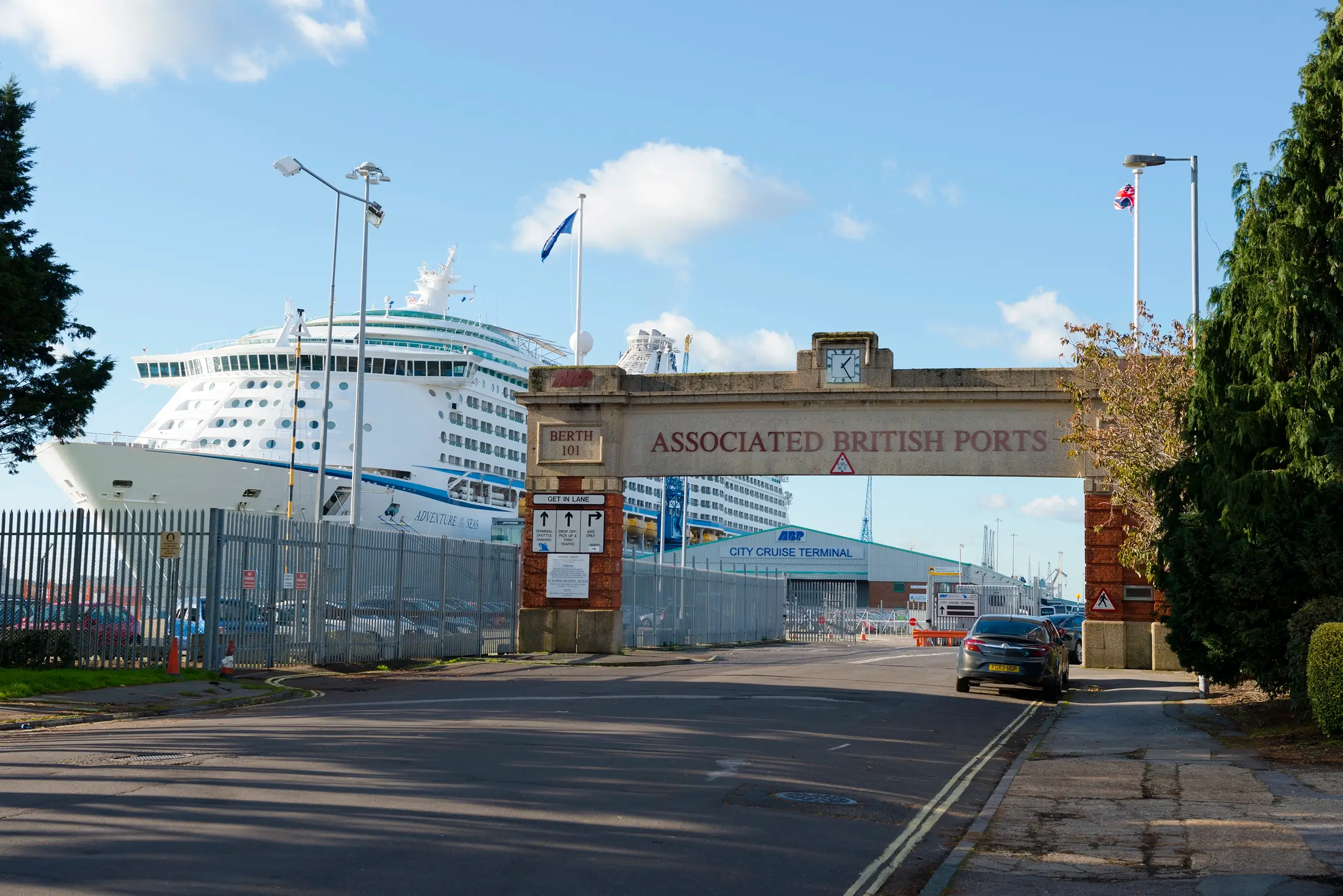
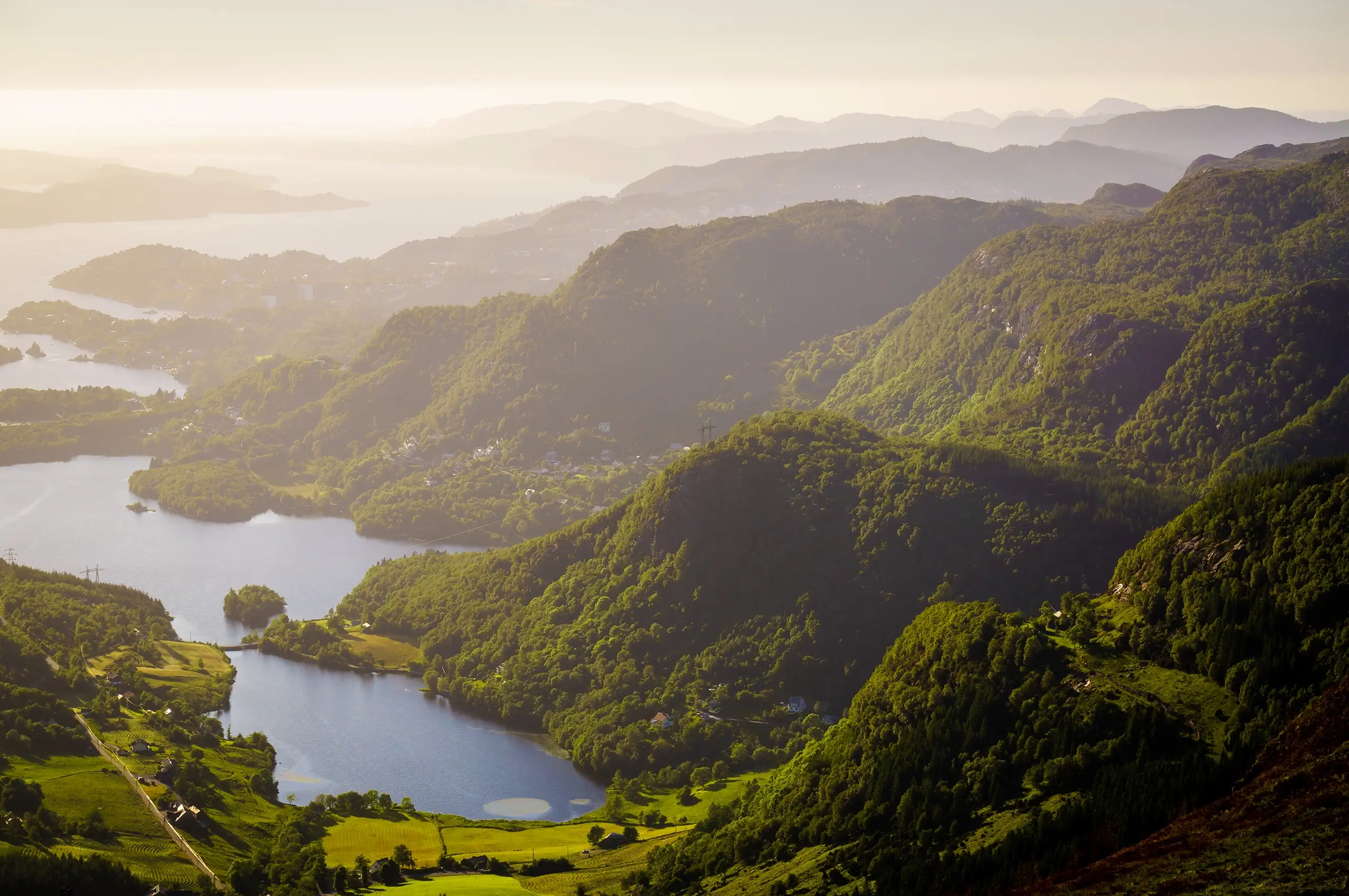
Few cruise routes rival the grandeur of Norway’s fjords. Towering cliffs rise sharply from deep blue waters, waterfalls cascade down mountainsides, and small villages cling to the edges of valleys. Itineraries typically depart from ports such as Southampton or Copenhagen, winding northwards through narrow channels and expansive inlets.
Geirangerfjord and Sognefjord remain highlights. The former, a UNESCO World Heritage Site, presents steep rock faces draped in greenery and dotted with isolated farms. The latter, known as the King of the Fjords, stretches over 200 kilometres inland, offering passengers a front-row view of one of nature’s most impressive displays.
Cruise lines such as P&O Cruises and Cunard feature Norwegian itineraries that balance scenic cruising with port calls in towns like Flåm and Ålesund. Shore excursions often include railway journeys through mountain passes or visits to glaciers, adding layers of experience to an already striking voyage.
SAGA Cruises, known for its tailored voyages for guests aged 50 and over, also offers distinctive journeys through the Norwegian fjords. These itineraries often emphasise a more intimate experience, with smaller ships navigating closer to the dramatic landscapes and frequently including overnight stays in charming fjord towns. The focus remains on immersive exploration, providing a comfortable yet adventurous perspective on Norway’s natural wonders.
The Mediterranean: sun, culture, and coastal beauty
The Mediterranean remains a perennial favourite for good reason. Itineraries here blend azure waters with historic cities, ancient ruins, and island charm. Routes vary widely, from the western stretch covering Barcelona, Marseille, and the Italian Riviera, to eastern journeys that include Athens, Dubrovnik, and the Greek Islands.
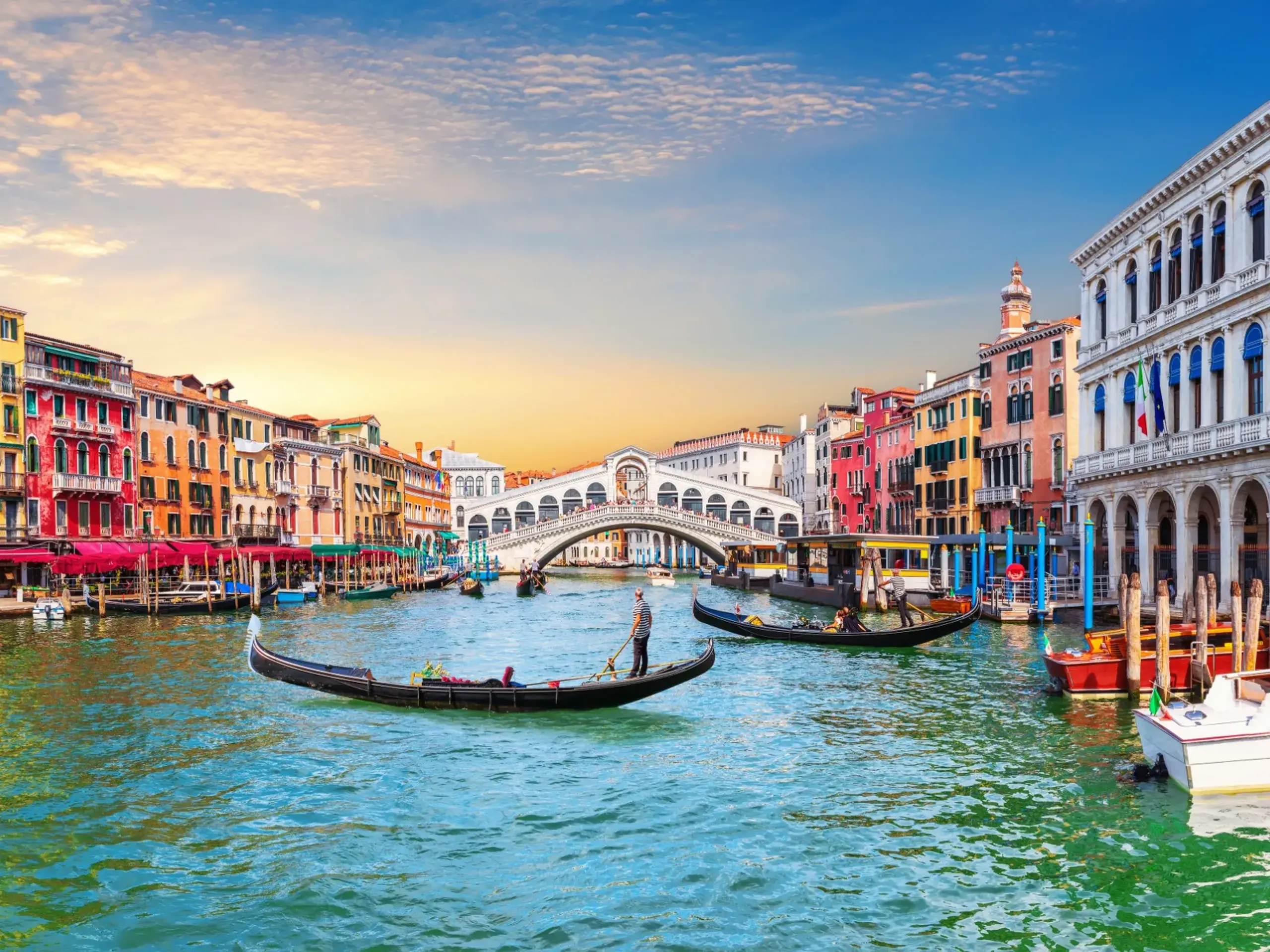
Barcelona offers architectural wonders and vibrant street life. Venice, with its canals and centuries-old palazzi, feels otherworldly. Further east, Santorini’s whitewashed buildings perched on volcanic cliffs provide one of the most photographed views in the world. The warmth of the climate, combined with the diversity of cultures encountered, makes this region particularly appealing for those seeking variety.
Cruise lines such as Royal Caribbean and Celebrity Cruises operate extensive Mediterranean programmes. Many itineraries include overnight stays in key ports, allowing passengers to explore cities after dark and experience local dining and entertainment.
The Baltic Sea: history and elegance
The Baltic Sea route offers a different flavour. This itinerary tends to focus on cultural immersion, with port calls in cities known for their architectural beauty and historical significance. Copenhagen, Tallinn and Stockholm feature prominently, each offering distinct character and charm.
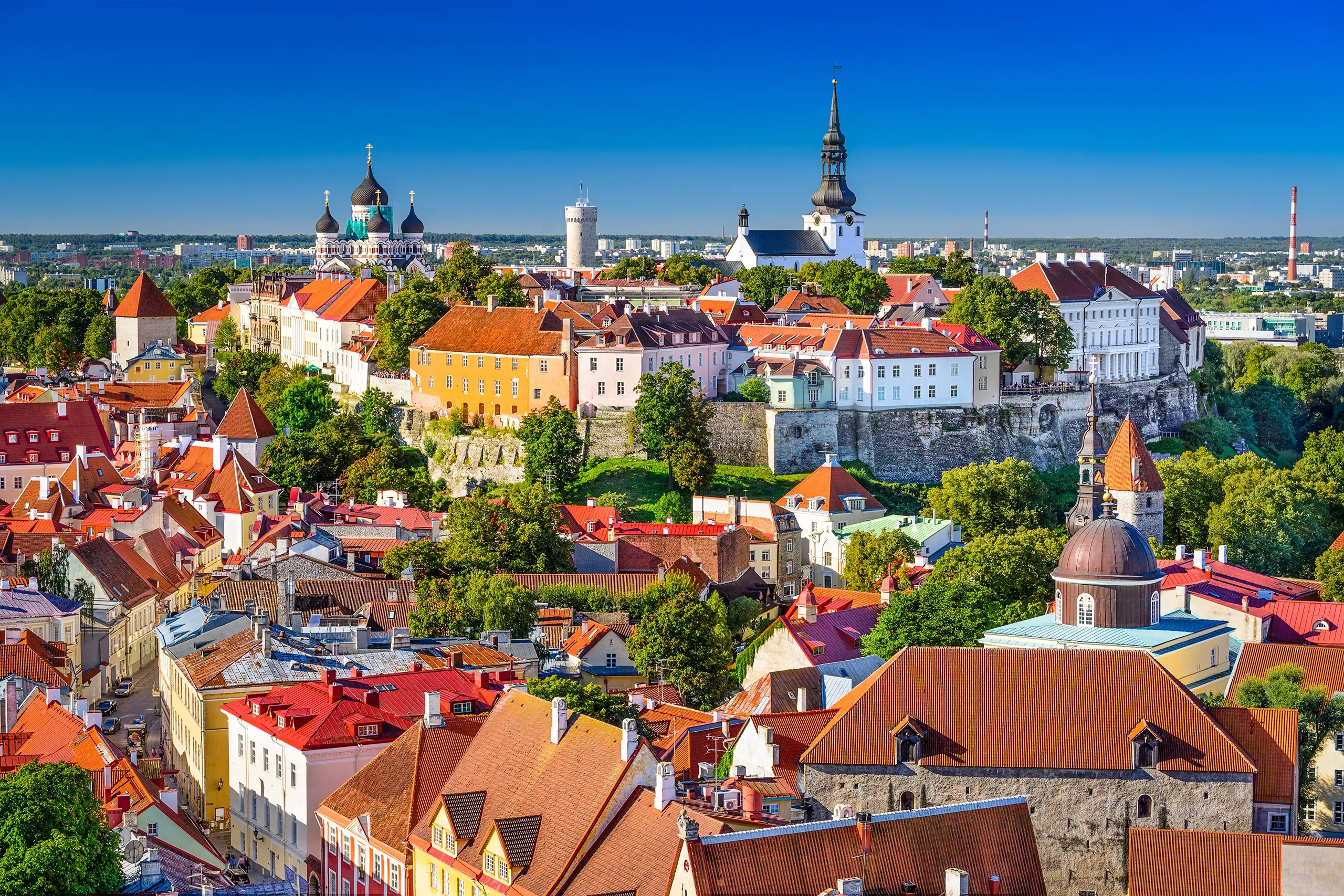
Tallinn’s medieval old town, with its cobbled streets and preserved city walls, feels like stepping back in time. Stockholm, spread across 14 islands, combines modern Scandinavian design with historic districts and waterfront promenades.
The route appeals to those drawn to heritage and art. Shore excursions often include visits to royal palaces, fortresses, and galleries. The extended daylight hours during summer add to the appeal, creating long, golden evenings perfect for strolling through city centres.
Cunard and Princess Cruises both offer Baltic itineraries that prioritise immersive cultural experiences. The pace tends to be relaxed, with ample time in each port to explore independently or join guided tours.
The British Isles: rugged coastlines and hidden gems
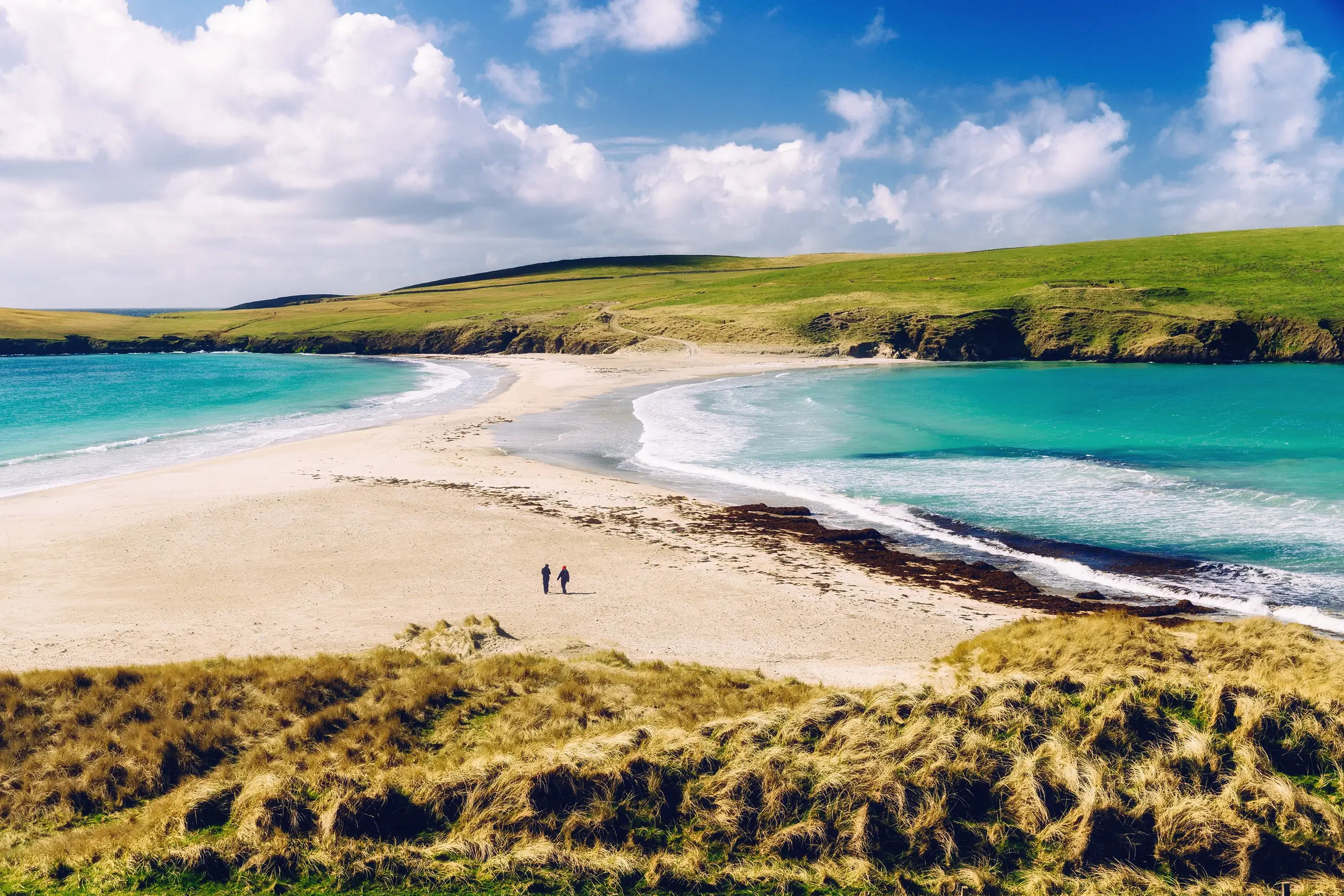
Cruising around the British Isles reveals landscapes and communities often overlooked by land-based travel. Itineraries circle the coastline, stopping at ports in Scotland, Ireland, the Channel Islands, and remote island groups such as the Hebrides and Orkney.
The scenery varies dramatically. The cliffs of Moher in Ireland plunge into the Atlantic, while the lochs of Scotland offer tranquil beauty framed by rolling hills. Smaller ports such as Kirkwall in Orkney provide access to ancient sites like Skara Brae, a Neolithic settlement older than Stonehenge.
This route suits those interested in natural beauty, wildlife, and history. Puffins, seals, and dolphins are common sightings. The sense of discovery comes not from grand cities but from windswept coastlines, traditional villages, and the stories embedded in the landscape.
Fred. Olsen Cruise Lines and SAGA Cruises specialise in British Isles itineraries, often sailing from UK ports such as Southampton or Dover. The convenience of embarkation, combined with the proximity of destinations, makes this a practical choice for UK-based travellers.
The Adriatic: hidden coastal beauty
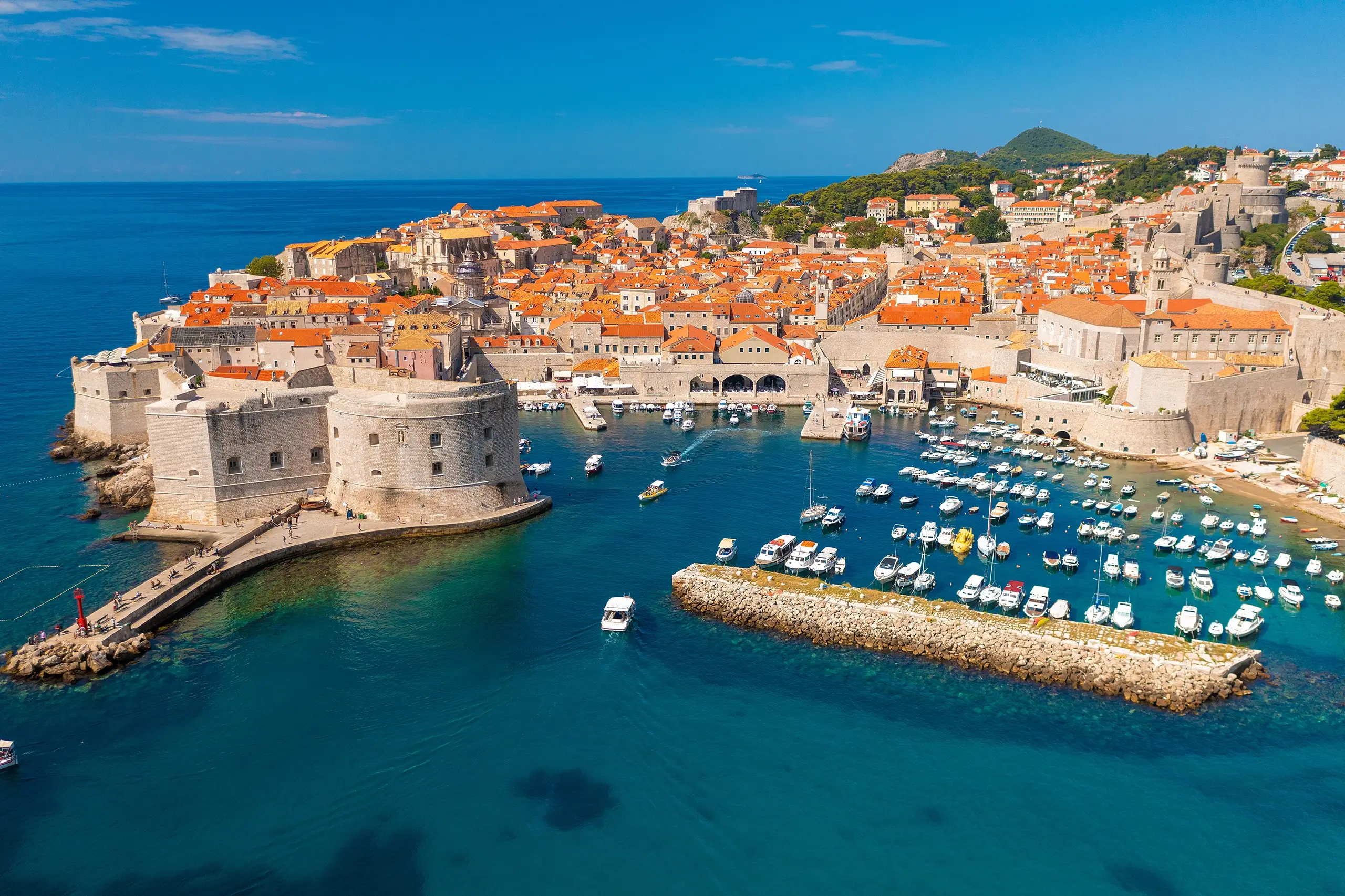
The Adriatic Sea offers a more intimate cruising experience. Itineraries often focus on smaller ports along the coasts of Croatia, Montenegro, and Slovenia, where medieval towns, clear waters, and mountainous backdrops create a sense of seclusion.
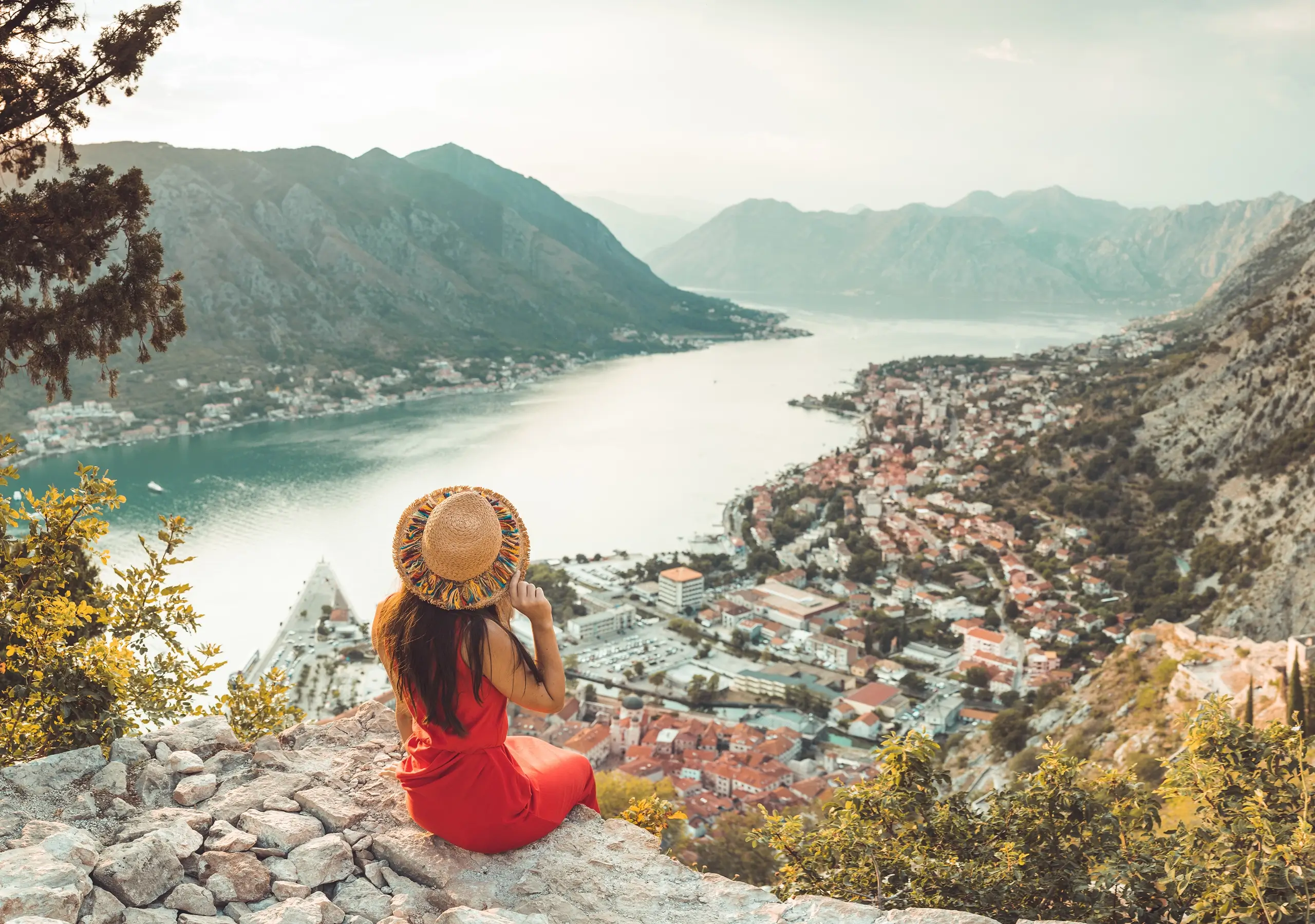
Dubrovnik remains a key highlight, with its intact city walls and terracotta rooftops. Kotor, nestled in a dramatic bay surrounded by mountains, feels like a secret waiting to be uncovered. Further north, the Venetian-influenced town of Rovinj in Croatia charms with its narrow streets and harbour views.
The region’s appeal lies in its relatively unspoilt nature. Ports are less crowded than those in the western Mediterranean, and the pace feels unhurried. The cuisine, influenced by both Italian and Balkan traditions, adds another dimension to the experience.
Silversea operate Adriatic itineraries that emphasise destination immersion, often including evening stays in port to allow for fuller exploration.
The Canary Islands and Atlantic Coast: year-round sunshine
For those seeking warmth outside the traditional summer season, itineraries to the Canary Islands and Portugal’s Atlantic coast provide reliable sunshine and dramatic volcanic landscapes. Routes typically depart from Southampton or Barcelona, calling at islands such as Tenerife, Lanzarote, and Madeira, before visiting coastal cities like Lisbon and Cádiz.
The Canary Islands offer diverse terrain, from black sand beaches to rugged mountain trails. Madeira, known as the Pearl of the Atlantic, presents lush botanical gardens and terraced vineyards clinging to steep hillsides. Lisbon, with its tiled facades and hilltop viewpoints, combines historic charm with contemporary energy.
This route appeals to those looking for active shore excursions, such as hiking or wine tasting, alongside beach relaxation. The mild climate makes it a popular choice for winter cruises.
P&O Cruises and Marella Cruises both feature itineraries to the Canary Islands, often combined with Moroccan ports for added cultural contrast.
Choosing the right route
Selecting a cruise route depends on personal preferences. Those drawn to natural grandeur may favour the Norwegian fjords or the rugged coasts of the British Isles. History enthusiasts might prefer the Baltic or Mediterranean, where ancient sites and architectural marvels abound. Warmer climates and year-round appeal make the Canary Islands and Adriatic attractive alternatives.
The length of the itinerary also matters. Shorter cruises of seven to ten nights suit those new to cruising or with limited time. Longer voyages of two weeks or more allow for deeper exploration and a more relaxed pace.
Cruise lines vary in style and onboard atmosphere. Some focus on traditional elegance and formal dining, while others emphasise casual, family-friendly environments. Researching the ship and its offerings ensures the onboard experience aligns with expectations.
Making the most of scenic cruising
Certain segments of these routes are designated as scenic cruising, where the ship slows or pauses to allow passengers to take in the views. These moments often occur in the Norwegian fjords, the Adriatic’s Bay of Kotor, or when approaching dramatic coastal features.
Arriving on deck early, particularly during sunrise or sunset, enhances the experience. The quality of light transforms landscapes, casting shadows and highlighting details that might otherwise go unnoticed. Binoculars can be useful for spotting wildlife or distant landmarks.
Photography enthusiasts will find endless opportunities. From the deck, the perspective changes constantly, offering compositions not possible from land. Capturing the interplay of light, water, and landscape becomes part of the journey itself.
Practical considerations
Booking early often secures better cabin choices and pricing. Balcony cabins provide private outdoor space for enjoying scenic moments without crowding public decks. Inside cabins remain a budget-friendly option, particularly on routes where much of the time is spent ashore or on deck.
Shore excursions can be booked through the cruise line or arranged independently. The former offers convenience and guaranteed timely return to the ship. The latter provides flexibility and potentially lower costs. Researching ports in advance helps in planning which experiences matter most.
Travel insurance is essential, covering not only medical emergencies but also trip cancellations and disruptions. Many policies now include cruise-specific coverage, addressing concerns such as missed port calls or itinerary changes.
Top tips
- Pack layers: European weather varies significantly, especially in northern regions. Bringing adaptable clothing ensures comfort regardless of conditions.
- Book shore excursions early: Popular tours fill quickly, particularly in high-demand ports such as Florence and Pisa or Santorini.
- Arrive a day early: Staying near the embarkation port the night before departure reduces stress and mitigates travel delays.
- Bring binoculars: Scenic cruising segments, especially in the Norwegian fjords, benefit from magnified views of wildlife and distant features.
- Research port logistics: Some ports require tender boats to reach shore. Knowing this in advance helps manage time and expectations.
- Consider onboard position: Midship cabins on lower decks experience less movement, beneficial for those prone to seasickness.
- Check visa requirements: Certain itineraries, particularly those including Russia, may require visas arranged well in advance.
- Charge devices before port days: Busy days ashore drain phone batteries quickly. Portable chargers prove invaluable for navigation and photography.
Final thoughts on Europe’s cruise routes
Europe’s cruise routes deliver more than just transport between destinations. They offer a chance to witness landscapes from perspectives unavailable by land, to experience the rhythm of the sea, and to encounter diverse cultures within a single journey. Whether drawn to the majesty of fjords, the warmth of Mediterranean ports, or the historic cities of the Baltic, each route presents its own rewards.
The appeal of cruising lies in its blend of relaxation and discovery. Days at sea provide time to unwind, read, or simply watch the horizon. Port calls inject energy and variety, introducing new sights, tastes, and experiences. Together, they create a balanced rhythm that suits both seasoned travellers and those embarking on their first voyage.
For UK-based travellers, the proximity of departure ports and the variety of itineraries make European cruises both accessible and appealing. With thoughtful planning and an openness to new experiences, these routes offer journeys that resonate long after the final port of call.
Share this article





More posts about Cruise Destinations and Ports of Call

How to choose the perfect cruise destination for you
21 minute read Published: June 10th, 2026
Find the cruise destination that truly matches your style and curiosity. With a bit of planning, your next voyage promises discovery, relaxation and endless inspiration.